
Find Reliable Local Landscape Rock Suppliers For Your Outdoor Project
Finding the Best Local Landscape Rock Suppliers
Creating a beautiful and functional landscape often starts with selecting the right rocks. Whether you're designing a rock garden, building a retaining wall, or simply adding decorative accents, sourcing high-quality materials from reliable local landscape rock suppliers is crucial. This guide explores what to look for in a supplier, the different types of landscape rock available, factors impacting cost, and how to ensure a successful purchase. We'll cover everything from delivery options to quality control, helping you create the outdoor space of your dreams.
What to Consider When Choosing a Supplier
Selecting the right supplier goes beyond just price. Consider their reputation, range of products, delivery options, and customer service. A reputable supplier will be transparent about their sourcing, offer consistent quality, and provide knowledgeable advice. It's important to verify that they have the necessary permits and licenses to operate legally in your area. Furthermore, check online reviews and ask for referrals from friends or neighbors who have recently completed landscaping projects. Excellent customer service means they are responsive to your inquiries and willing to address any concerns you may have.
Types of Landscape Rock Available
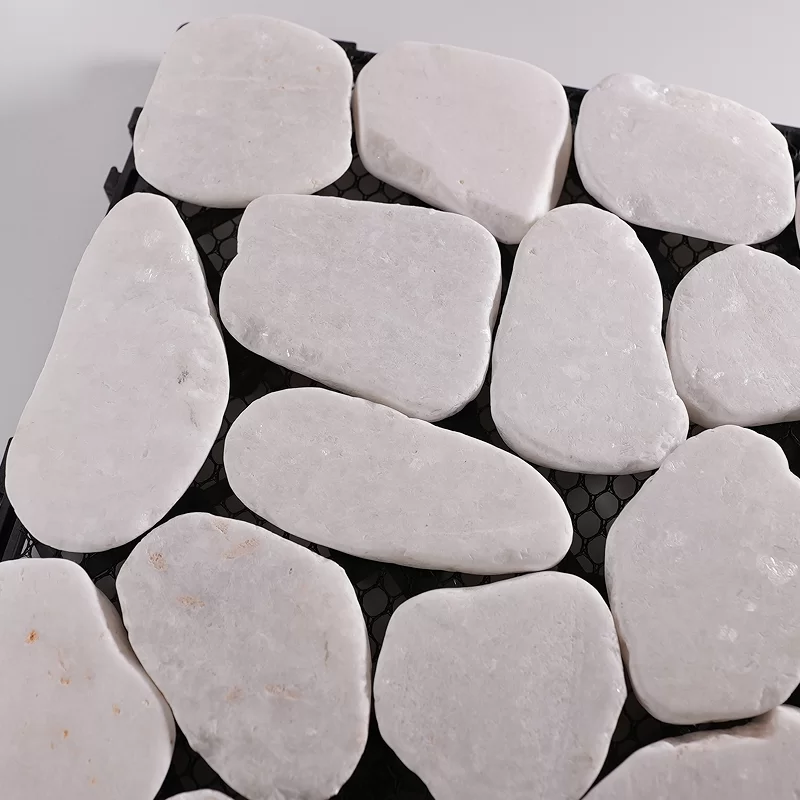
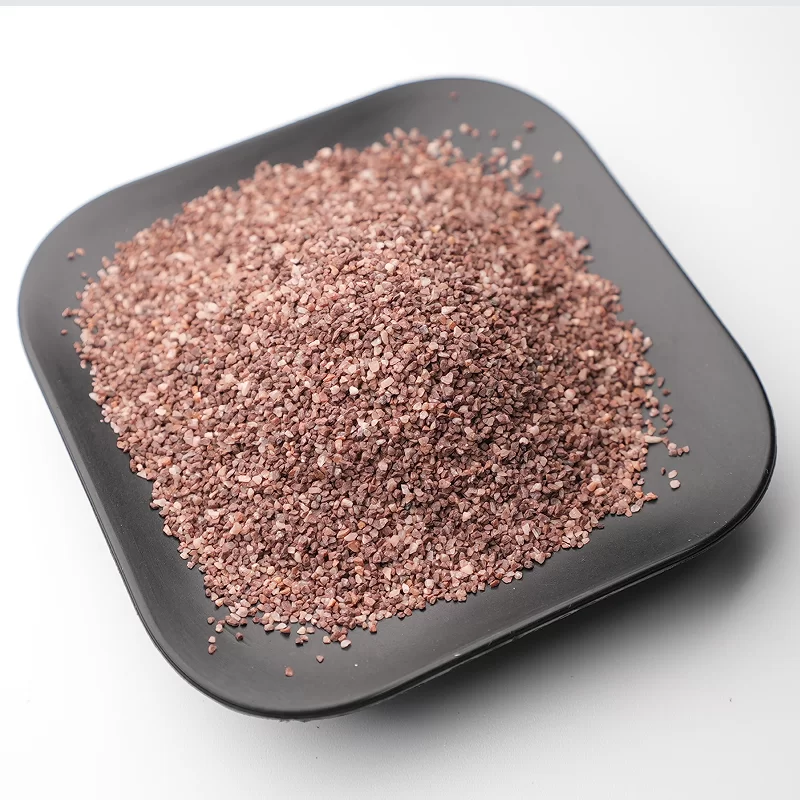
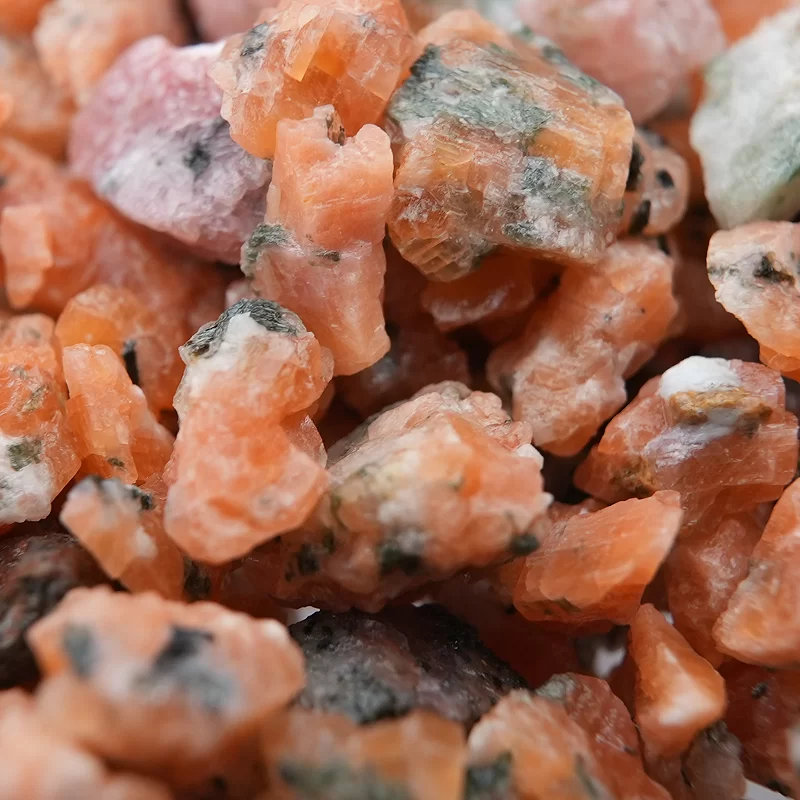
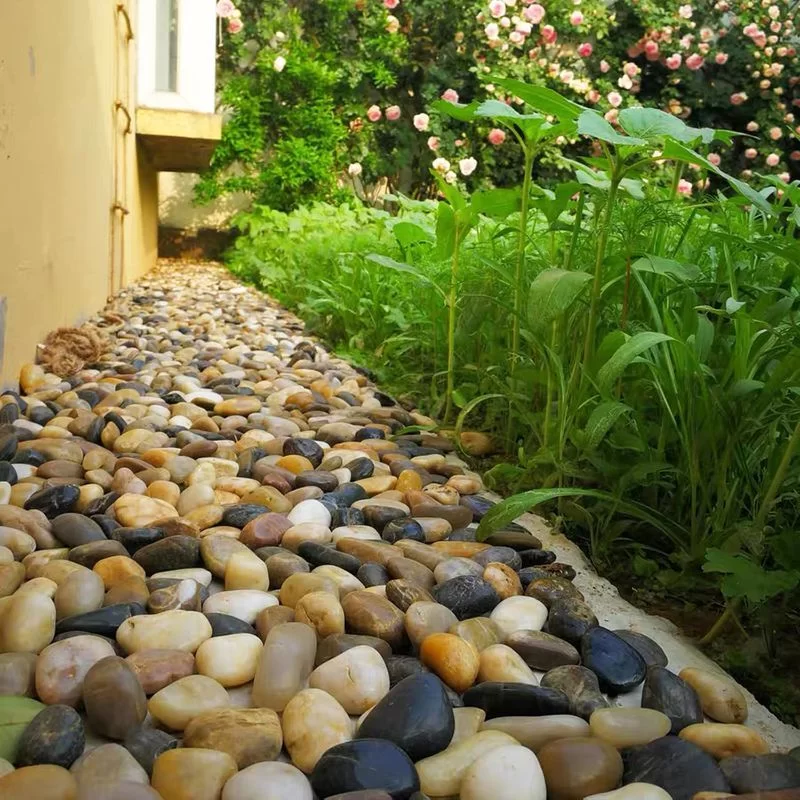
Landscape rock comes in a wide variety of types, each with its own unique aesthetic and application. Popular choices include river rock, which is smooth and rounded, ideal for pathways and dry creek beds. Gravel, available in various sizes and colors, is often used for driveways and patios. Crushed stone provides excellent drainage and is often used as a base for pavers or retaining walls. Larger boulders can be used as focal points or to create natural-looking features. CN Floor Materials offers a comprehensive selection to suit any project.
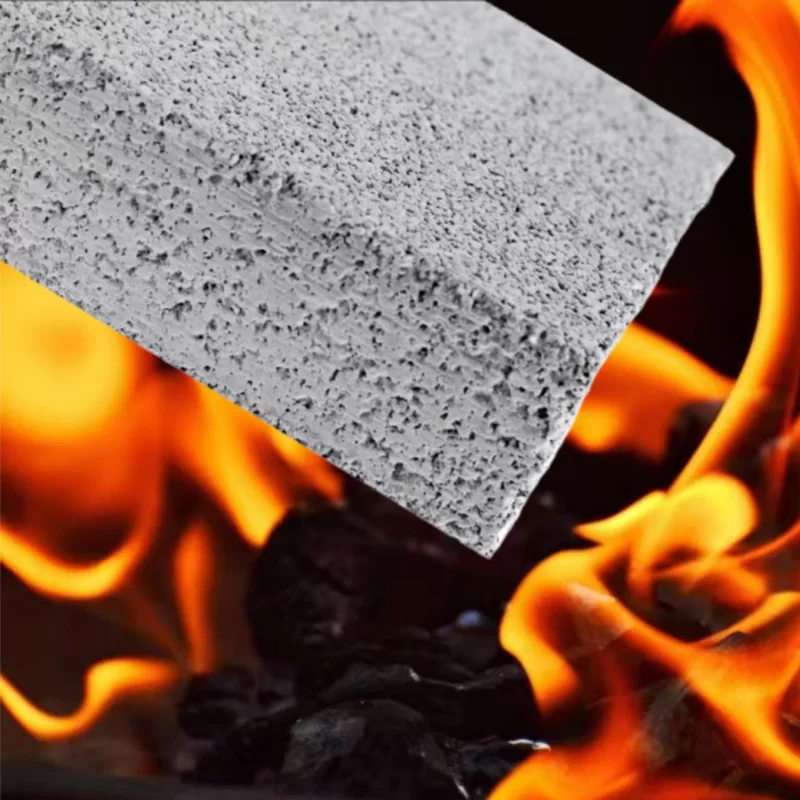
Key Rock Types: River Rock, Gravel, Crushed Stone, Boulders, Lava Rock, Flagstone. Each type offers unique aesthetic and functional benefits.
Comparing Costs: Factors Affecting Price
The cost of landscape rock can vary significantly based on several factors. Type of rock is a major determinant, with more exotic or harder-to-source rocks typically costing more. Quantity purchased also impacts price – buying in bulk usually results in a lower per-ton cost. Delivery distance is another key factor, as suppliers will charge for transportation. Finally, the supplier's location and overhead costs will influence their pricing. Getting quotes from multiple local landscape rock suppliers is always recommended.
Local Landscape Rock Suppliers: What to Ask Before You Buy
Before finalizing your purchase from local landscape rock suppliers, it’s crucial to ask the right questions. Inquire about the rock’s source and quality control measures. Confirm delivery options, including lead times and unloading procedures. Understand their return policy in case of dissatisfaction or damage. Ask about any potential discounts for bulk orders or special promotions. Finally, clarify their payment terms and accepted methods of payment.

Ensuring Quality and Successful Delivery
Inspect the rock upon delivery to ensure it meets your expectations. Check for any damage during transit and report it to the supplier immediately. Verify that the quantity delivered matches your order. Ensure the delivery location is accessible for the truck and that you have adequate help to unload the materials. Proper planning and communication with your local landscape rock supplier can prevent potential issues and ensure a smooth and successful project.
Conclusion: Finding the Perfect Landscape Rock
Sourcing the right landscape rock is essential for creating a beautiful and functional outdoor space. By carefully considering your needs, researching local landscape rock suppliers, and asking the right questions, you can ensure a successful project and a landscape you’ll enjoy for years to come.
Frequently Asked Questions (FAQs)
What’s the best way to calculate how much rock I need?
Calculating the amount of rock needed depends on the area you're covering and the desired depth. Measure the length and width of the area in feet. Multiply these dimensions to get the square footage. Then, determine the desired depth of the rock layer in inches and convert it to feet by dividing by 12. Finally, multiply the square footage by the depth in feet to calculate the cubic feet of rock needed. Most suppliers sell by the cubic yard (27 cubic feet), so divide the cubic feet by 27 to determine how many cubic yards to order. It's always best to overestimate slightly to account for compaction and potential waste. Online calculators are also available to assist with this process.
What is the difference between crushed stone and gravel?
While both crushed stone and gravel are commonly used in landscaping, they differ in their composition and characteristics. Gravel consists of rounded, naturally eroded rock fragments. Crushed stone, on the other hand, is produced by mechanically breaking down larger rocks. This results in angular, jagged edges. Crushed stone provides better compaction and stability, making it ideal for base layers under driveways or patios. Gravel is more permeable and often used for decorative purposes, such as pathways or drainage areas.
Can landscape rock be used for drainage?
Yes, certain types of landscape rock are excellent for drainage. Gravel and crushed stone are particularly effective because their irregular shapes and spaces allow water to flow through easily. These materials are often used in French drains or as a base layer under patios to prevent waterlogging. Larger rocks can also be used to create dry creek beds, which channel water away from structures. Selecting the appropriate rock type and size is crucial for ensuring optimal drainage performance.
How do I prepare the ground before laying landscape rock?
Proper ground preparation is essential for a long-lasting landscape rock installation. Begin by removing any existing vegetation, debris, and topsoil. Level the area and compact the soil to create a stable base. Depending on the application, you may need to add a layer of landscape fabric to prevent weed growth and soil mixing. For driveways or patios, a base of compacted crushed stone is recommended to provide drainage and support. Finally, rake the area smooth before spreading the landscape rock.