0%

Table of Contents

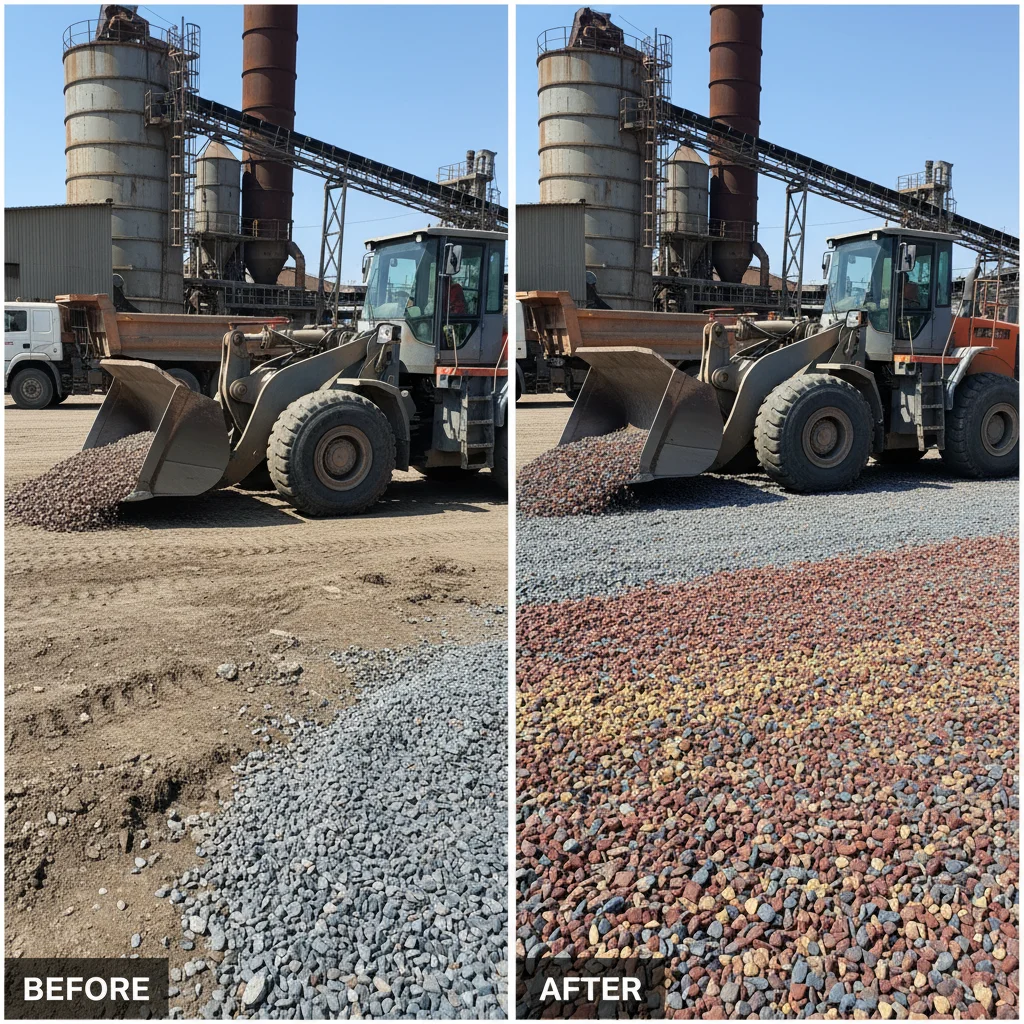
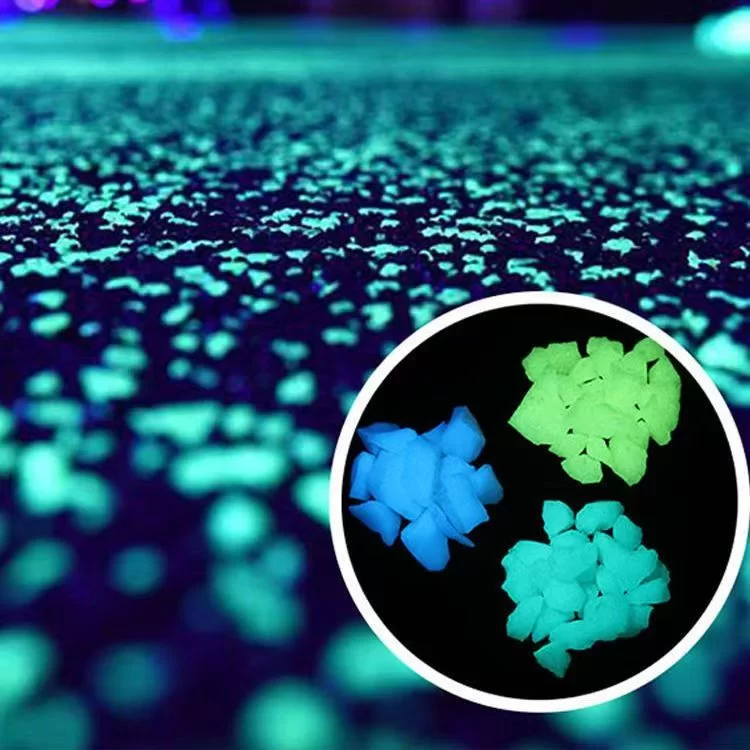
To be honest, the whole garden pebble scene has gotten a lot more interesting lately. It used to be just a handful of standard colors, everyone going for that basic river rock look. But now? People want statement pebbles. We’re seeing huge demand for polished glass, volcanic rock, even recycled materials. It's not just landscaping anymore; it's outdoor décor, a whole vibe. It's… strange, actually, how much importance people place on these little stones. You wouldn’t believe the arguments I’ve had with designers over a shade of grey.

I’ve spent enough time on sites, wrestling bags of this stuff, to tell you a few things. One thing that always gets people tripped up is underestimating the weight. Seriously, a cubic yard of pebbles? You’ll need a machine. And don’t even get me started on drainage. People think you can just dump them anywhere, but you need proper base preparation or you’ll end up with a muddy mess. I encountered this at a factory in Ningbo last time, a whole patio had to be redone because of poor drainage.

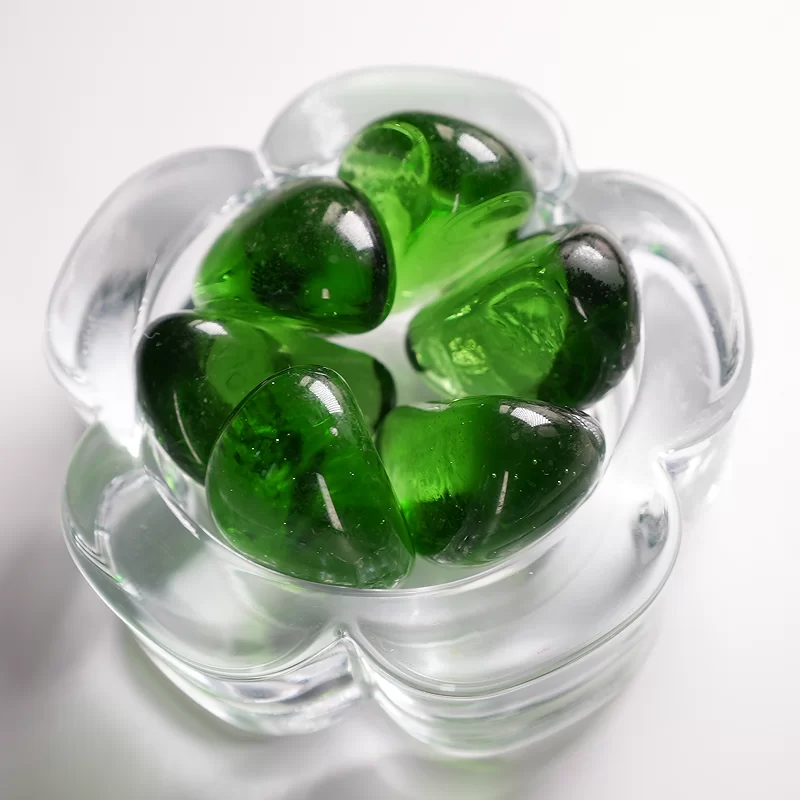
The materials themselves... well, the classic granite is always reliable. Feels solid, a bit rough, smells… like stone, I guess. You can tell a good batch by the color consistency, and whether it crumbles easily when you try to break a piece. Then there’s basalt, darker, smoother, feels almost velvety. And the glass pebbles? Those are different. They're surprisingly heavy, and you gotta wear gloves when handling them, or you'll be picking shards out of your skin all day. Plus they get hot in the sun. I mean, really hot.
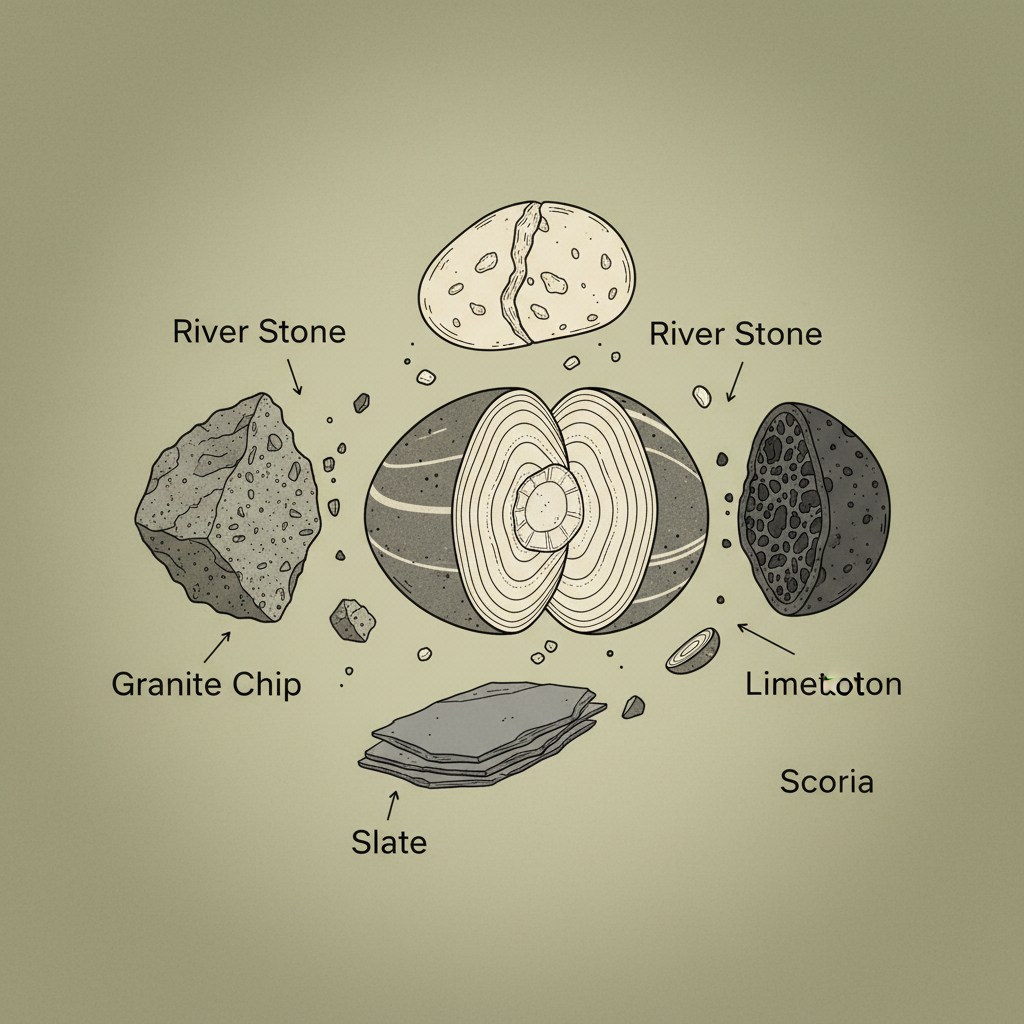
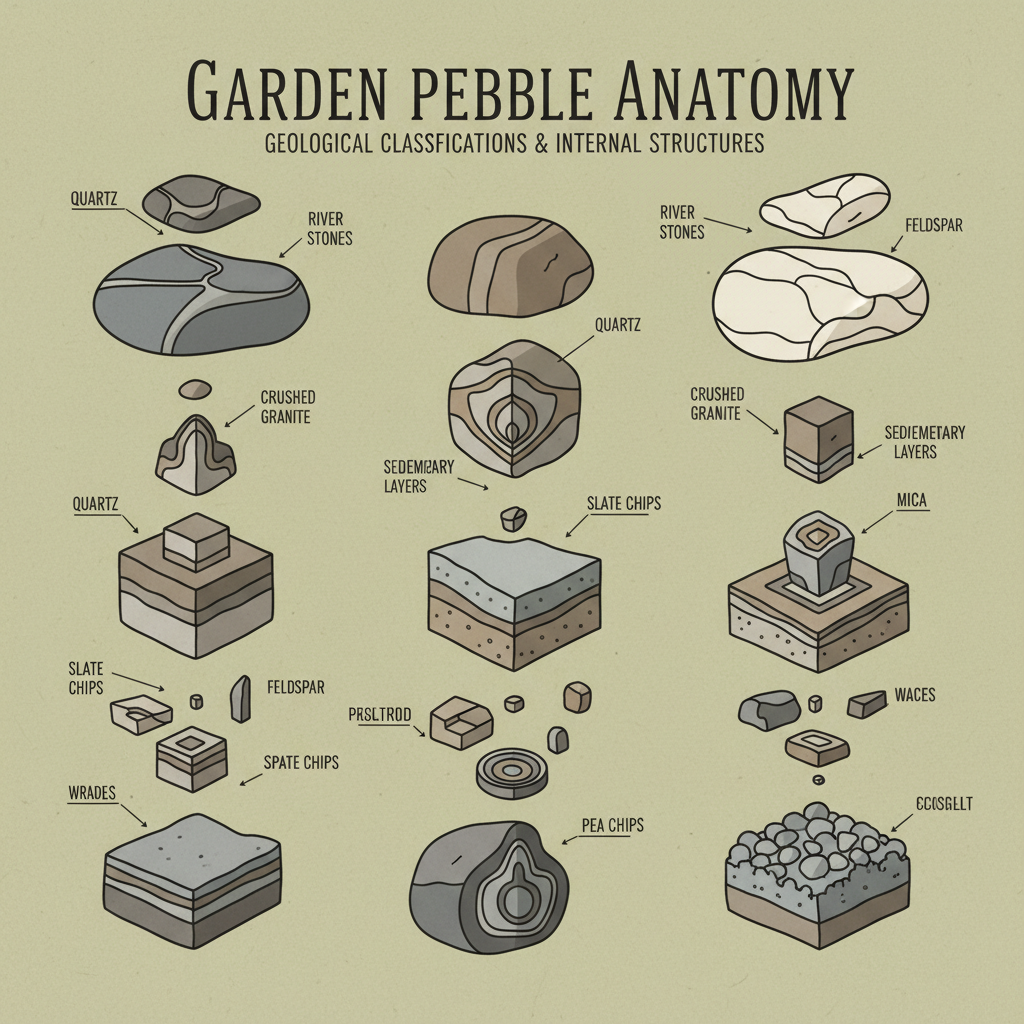
types of garden pebbles

The Rise of Statement Pebbles

types of garden pebbles

Have you noticed how people are getting so specific? It’s not just “grey pebbles” anymore. It’s “charcoal grey, tumbled, 20-30mm, with a slight shimmer.” I mean, seriously? Shimmer? It’s a pebble! But that’s the market now. And honestly, it's a good thing, it pushes us to improve, find new sources, better processing techniques. It keeps things interesting. I think.

The demand for eco-friendly options is also huge. Recycled glass is flying off the shelves, and people are asking about locally sourced materials more and more. Which is good, but it adds another layer of complexity to the sourcing process.

Design Pitfalls and Weight Considerations

Seriously, the weight. That’s the biggest thing. Designers will sketch these beautiful patios, covered in lovely river rocks, without thinking about how the heck you're going to get the rocks there. And then they wonder why the estimate is so high. And the drainage, oh the drainage. A slight slope isn’t enough; you need a proper sub-base, geotextile fabric, the whole nine yards.

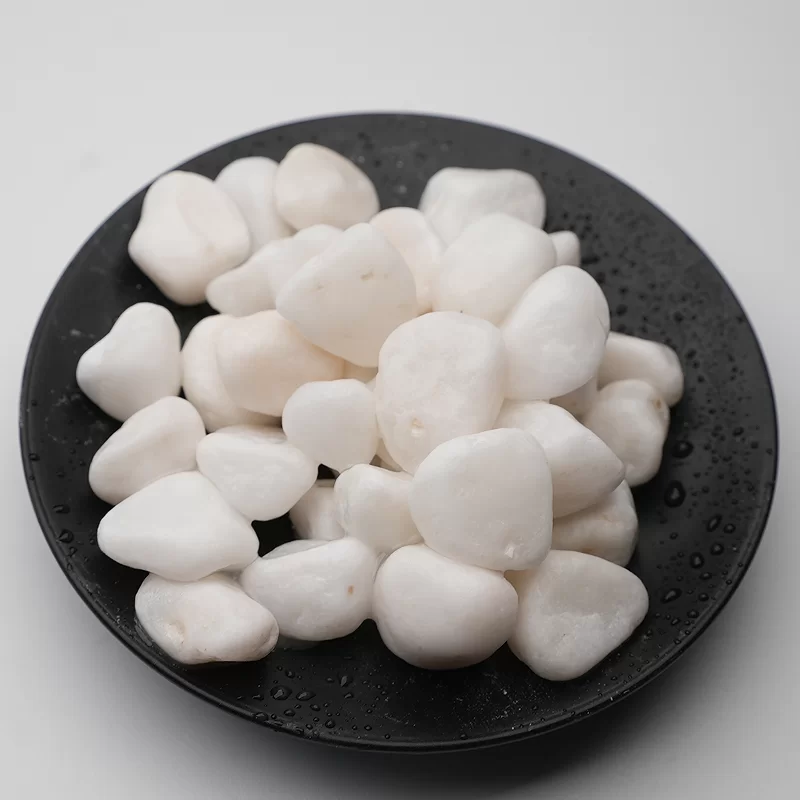
Another common mistake is using the wrong size pebbles for the application. Small pebbles are good for pathways, but they'll sink into the ground if you try to use them for a driveway. And large pebbles look great, but they're a nightmare to walk on. You've gotta consider the practicality of it, not just the aesthetics.

Then there's compaction. People think just dumping the pebbles is enough. You need to compact them properly, otherwise, you’ll get settling, uneven surfaces, and a whole lot of headaches down the line. I've seen it happen so many times.

Material Breakdown: Granite, Basalt, and Glass

Let's talk materials. Granite is your workhorse. Durable, readily available, relatively inexpensive. It comes in a million different colors, but the greys and reds are the most popular. It’s a solid choice, a safe choice.

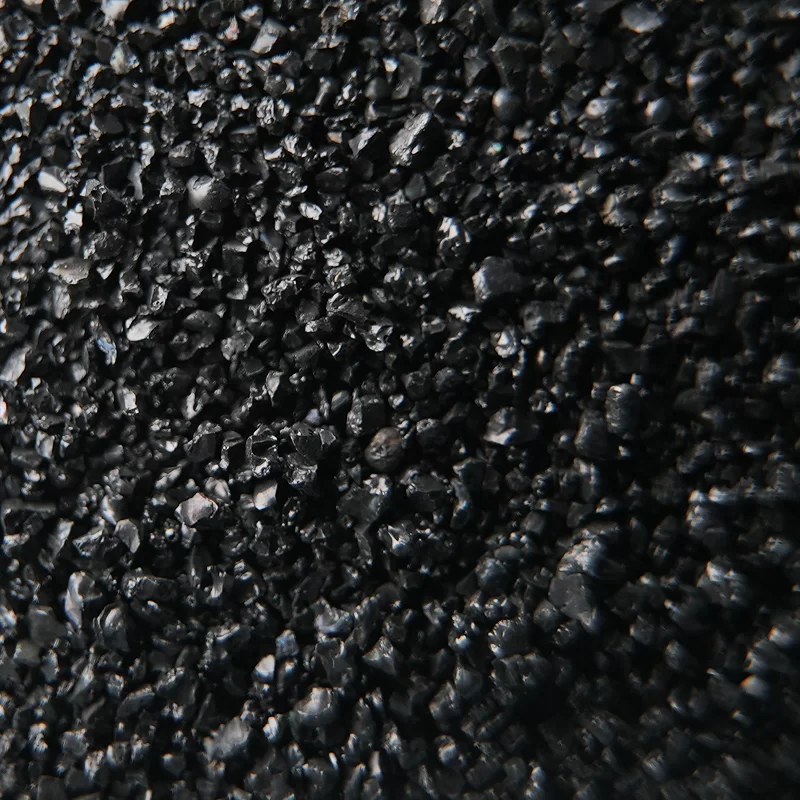
Basalt is a bit more upscale. It's darker, smoother, and has a more modern look. It’s a bit pricier than granite, but it’s worth it if you want something a little different. The polished basalt really shines when wet, which is a nice touch, if I do say so myself.

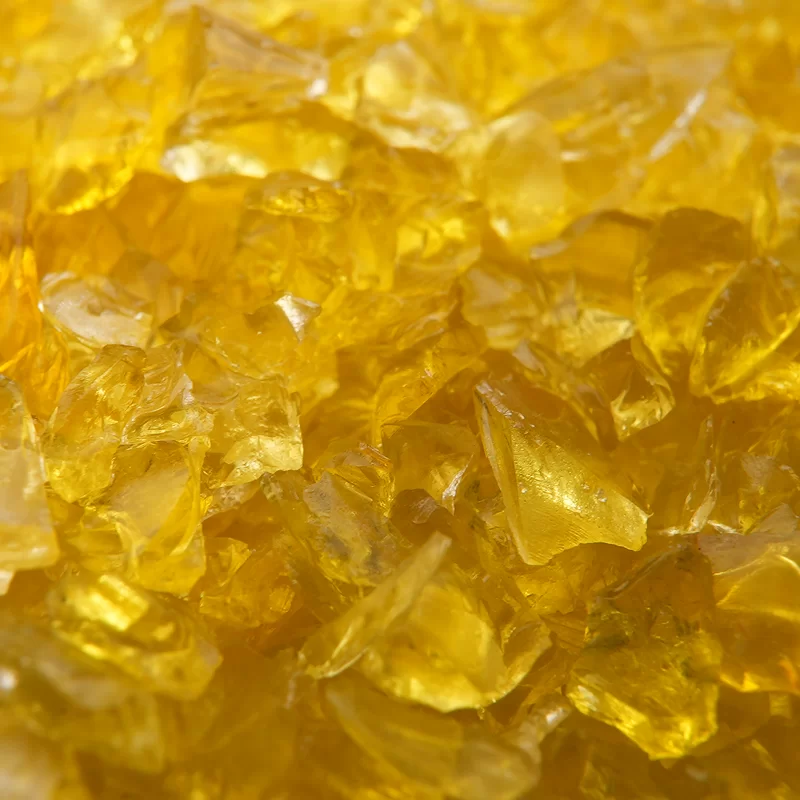
And then there's glass. Beautiful, vibrant, but a bit of a pain. It gets incredibly hot in the sun, and it can be slippery when wet. Plus, it's not as durable as granite or basalt. But people love the look of it, so… what can you do? You gotta give the people what they want. Anyway, I think it's overhyped, honestly.

Real-World Testing & Usage Patterns

We don’t spend much time in labs. We test things the old-fashioned way: we put them on sites and see what happens. We’ll lay down a section of driveway with different types of pebbles, then have trucks drive over it. We’ll expose them to different weather conditions. We'll even let the client's kids jump on them. Seriously.

And you learn a lot just by observing how people actually use these things. For example, I thought everyone would be meticulously arranging their pebbles in artistic patterns, but most people just dump them and walk on them. It's…disappointing, to be honest. But that's reality.

Pebble Durability Testing - Real World Scenarios

Advantages, Disadvantages, and Customization Options

The advantages are pretty straightforward: they're low maintenance, they look good, and they're relatively inexpensive. The disadvantages? Well, they can get hot, they can be slippery, and they can be a pain to install.

But you can customize them. We had one client who wanted all his pebbles to be perfectly round. I told him it would be expensive, but he insisted. We had to run them through a special tumbler for hours. It was a nightmare, but the result was pretty spectacular. Later… forget it, I won’t mention it.

A Shenzhen Story: The Pebble Debacle

Last month, this small boss in Shenzhen who makes smart home devices – always tinkering with something new – insisted on changing the interface to . For pebbles. He wanted a way to lock the pebbles together, to create these elaborate mosaic patterns. He thought connectors were the answer. I tried to explain to him that it was completely impractical, that the connectors would get clogged with dirt and debris, but he wouldn’t listen.

He ordered a whole container of pebbles with ports drilled into them. It was a disaster. The connectors were too fragile, the pebbles were too heavy, and the whole thing just fell apart. He lost a ton of money on that deal. I felt bad for him, but honestly, it was kind of amusing.

It just goes to show you, sometimes the simplest solution is the best. You can't reinvent the wheel—or, in this case, the pebble.

The Ultimate Test: The Worker's Tighten

We can talk about specs and durability all day long. We can run tests in labs and simulate real-world conditions. But ultimately, whether this thing works or not, the worker will know the moment he tightens the screw—or, in this case, steps on the pebbles. If it feels solid, if it looks right, if it holds up to the abuse of daily life, then it’s a good product.

That's what I look for. I don't care about fancy reports or marketing hype. I care about whether it'll last.

And after all these years on construction sites, that’s the only thing that really matters.

A Rough Summary of Pebble Performance Factors

Pebble Type Initial Cost (per Ton) Longevity (Years) Maintenance Effort (1-5)
Granite $150 20+ 1
Basalt $200 15+ 1
Polished Glass $250 10 3
River Rock $100 12 2
Limestone $80 5 2
Recycled Glass $180 10 2

FAQS

What's the best way to calculate how many pebbles I need for a project?

Figuring out pebble quantities can be tricky. You need to know the area you're covering, the desired depth, and the bulk density of the pebbles. There are online calculators, but they're often inaccurate. I usually recommend adding 10-15% to your estimate, just to be safe. It’s always better to have a little extra than to run out halfway through.

How do I prevent weeds from growing through pebbles?

Weeds are the bane of every landscaper’s existence. The best way to prevent them is to lay down a good quality geotextile fabric under the pebbles. This creates a barrier that prevents weeds from growing up, while still allowing water to drain through. You can also use a pre-emergent herbicide, but that’s not always the most environmentally friendly option.

Are pebbles slippery when wet?

Yes, some pebbles can be slippery when wet, especially polished glass. Granite and basalt are generally less slippery, but still require caution. Choosing pebbles with a textured surface can help improve traction. You can also apply a non-slip coating, but that will change the look of the pebbles.

How do I clean pebbles?

Cleaning pebbles is usually pretty easy. You can just hose them down with water. For stubborn dirt or algae, you can use a mild detergent and a scrub brush. Avoid using harsh chemicals, as they can damage the pebbles or harm the environment. For glass pebbles, a soft brush and gentle cleaner are best.

What’s the difference between tumbled and un-tumbled pebbles?

Tumbled pebbles have been put through a machine that rounds off the edges, making them smoother and more comfortable to walk on. Un-tumbled pebbles are more natural looking, with sharper edges. Tumbled pebbles are generally more expensive, but they're worth it if you want a more refined look and feel.

Can I mix different types of pebbles together?

Absolutely! Mixing different types of pebbles can create a really interesting and unique look. Just be sure to choose pebbles that complement each other in terms of color and texture. And consider the different wear rates of the pebbles – you don't want one type to disappear quickly while the others remain. Experiment, have fun, and don’t be afraid to try something new!

Conclusion

So, there you have it. The world of garden pebbles is a lot more complex than you might think. From understanding the different materials and their properties to anticipating the challenges of installation and maintenance, there’s a lot to consider. But ultimately, it's about creating a beautiful and functional outdoor space that people can enjoy.

The trend toward personalized, sustainable options will only continue, so staying informed and adaptable is key. Don't get caught up in the hype – focus on quality materials, proper installation, and a healthy dose of common sense. And remember, whether this thing works or not, the worker will know the moment he tightens the screw.

Robert Chen

Robert Chen

Robert Chen serves as the Head of Export Sales at Hebei Quanerduo Mining Development. With a background in international business and a deep understanding of the mineral market, Robert manages our relationships with clients in Southeast Asia and the Middle East. He joined the company in 2015, bringing with him a proven track record of expanding market reach and building long-term partnerships. Robert is responsible for navigating export regulations, coordinating logistics, and ensuring client satisfaction throughout the sales process. He is fluent in Mandarin and English, facilitating seamless communication with our global customer base. Robert is dedicated to providing tailored solutions to meet each client’s unique requirements.
Previous Navigating the Landscape of Modern Sand Manufacturers and Material Selection
Next Navigating Crushed Rock Suppliers and Material Choices for Construction Projects
High-quality architectural stone — crafted for strength, beauty, and lasting performance.
Technical Guide to High Purity Granusil Industrial Quartz Uses
In the sophisticated landscape of industrial mineral extraction, granusil industrial quartz stands as a cornerstone material that bridges the gap between raw geological deposits and high-precision engineering. Its unique chemical stability and physical hardness make it indispensable for a wide array of manufacturing processes, from glass production to advanced filtration systems. Understanding the nuances of this material is not merely a technical requirement but a strategic advantage for companies aiming to optimize their production yield and product longevity.
Best Uses of Colored Gravel for Landscaping to Enhance Your Yard
Creating a visually stunning garden or walkway requires a balance of functionality and aesthetic appeal. Using colored gravel for landscaping is one of the most effective ways to introduce vibrant tones and professional texture to your outdoor environment. Unlike traditional mulch, colored stone provides a permanent solution that resists decay and reduces maintenance. Whether you are looking to define a path, highlight a flower bed, or create a modern Zen garden, the right choice of aggregate can transform a dull yard into a masterpiece. In this guide, we will explore the various types of colored gravel and how to use them.
Enhancing Your Outdoor Space with Brown Landscape Rock Guide
Creating a visually stunning and sustainable outdoor environment requires a thoughtful choice of materials. Among the most versatile options available, brown landscape rock offers a perfect blend of natural aesthetics and long-term durability. Whether you are designing a Zen garden, constructing a retaining wall, or simply looking for a low-maintenance alternative to traditional mulch, these earthy tones provide a timeless appeal. In this comprehensive guide, we will explore the various types of brown stone, their practical benefits, and how to integrate them into your home's exterior design to increase both beauty and property value.
Exploring the Versatile Applications of Gold Sand Quartz in Modern Industries
Gold sand quartz, a fascinating combination of materials, holds a significant place in both industrial applications and aesthetic design. Its unique properties stemming from the quartz component, coupled with the visual appeal of sand-like grains, make it a versatile material across diverse sectors. This article delves into the intricacies of gold sand quartz, exploring its definition, key attributes, global applications, and future prospects. Understanding this material is crucial for professionals in construction, manufacturing, and design, enabling them to leverage its benefits effectively.
Enhance Your Outdoor Space with Bright White Landscaping Rocks Ideas
Creating a beautiful and low-maintenance landscape often involves choosing the right ground cover. Bright white landscaping rocks are a popular option, offering a clean, modern aesthetic and a host of practical benefits. This article will explore everything you need to know about these rocks, from their uses and benefits to installation tips and cost considerations. We will guide you through selecting the perfect white rocks for your outdoor space and maximizing their impact on your overall landscape design.
Exploring the Versatile Applications of Dry Quartz Sand and Future Trends
Dry quartz sand, a granular material composed of silica, plays a pivotal role in a diverse array of industries worldwide. From glass manufacturing and foundry casting to construction and filtration, its unique properties – chemical inertness, thermal stability, and abrasive qualities – make it an indispensable component in countless applications. Understanding the characteristics and sourcing of dry quartz sand is crucial for optimizing processes and ensuring product quality across numerous sectors.

If you are interested in our products, you can choose to leave your information here, and we will be in touch with you shortly.