0%

Table of Contents

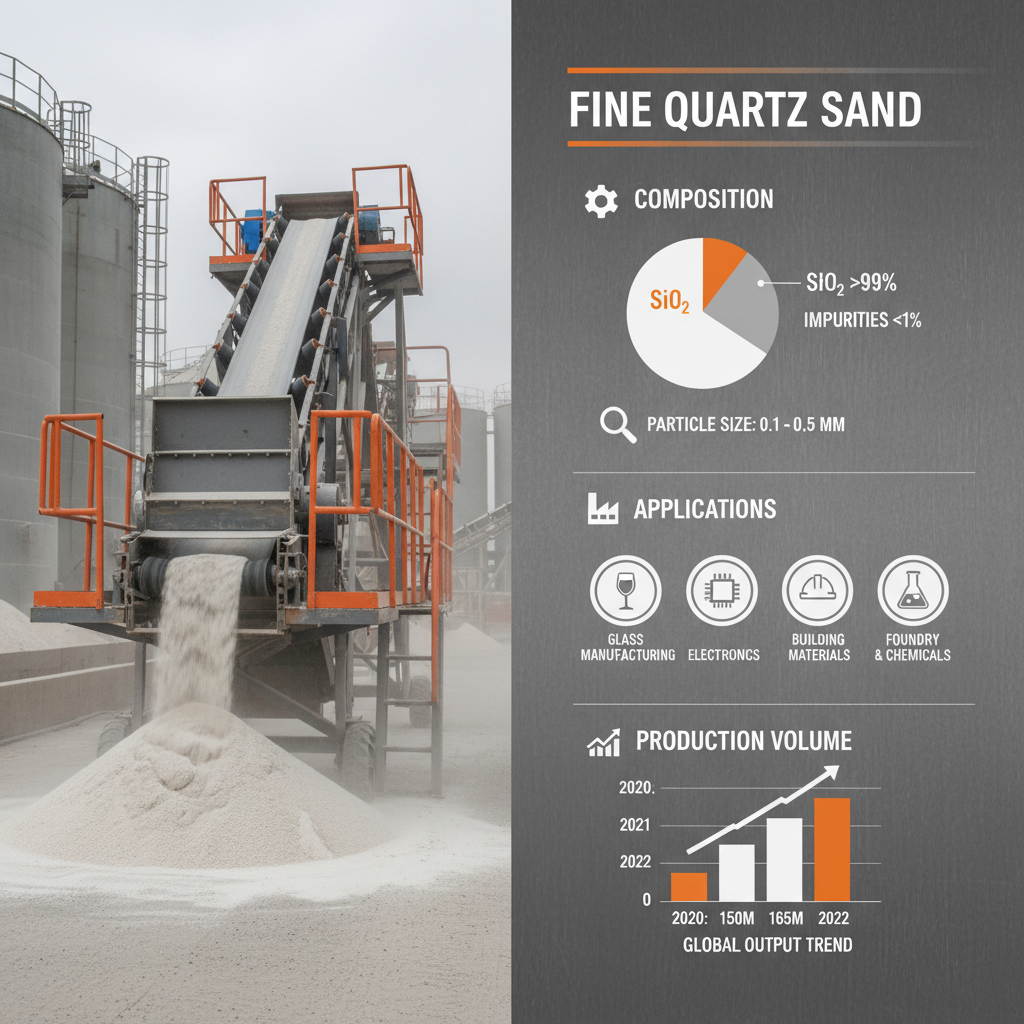
Fine quartz sand, a seemingly simple material, plays a surprisingly crucial role in a vast array of modern industries and applications. Its unique physical and chemical properties make it indispensable in glass production, ceramics, foundries, and even filtration systems. Understanding the intricacies of fine quartz sand, from its geological origins to its processing and applications, is essential for innovation and sustainability across numerous sectors.

Globally, the demand for fine quartz sand is steadily increasing, driven by population growth, urbanization, and the expansion of industries reliant on its properties. This demand presents both opportunities and challenges, requiring responsible sourcing, efficient processing techniques, and the development of alternative materials to mitigate potential environmental impacts. The availability and quality of this resource significantly impact global supply chains and manufacturing processes.

The versatility of fine quartz sand makes it more than just an industrial component; it's a fundamental building block for many essential products and processes that impact daily life, underscoring the need for a deeper understanding of its value and sustainable management.
fine quartz sand

The Significance of Fine Quartz Sand

fine quartz sand

Fine quartz sand isn’t merely a component; it’s a fundamental enabler of many modern technologies and manufacturing processes. Its high silica content and consistent grain size contribute to its unique performance characteristics. This impacts everything from the clarity of glass to the durability of foundry castings, and the efficiency of water filtration systems.

The demand for high-quality fine quartz sand is a direct reflection of global industrial activity and innovation. As economies develop and require more sophisticated materials, the need for consistent, reliable sources of fine quartz sand will continue to grow, making its responsible sourcing and processing increasingly important.

Defining Fine Quartz Sand

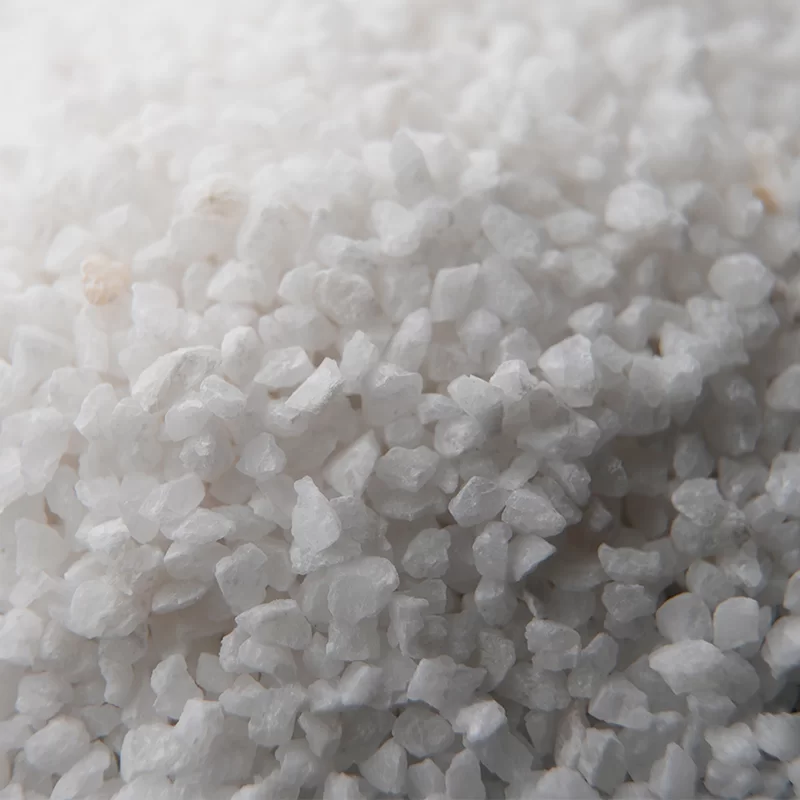
Fine quartz sand is a granular material composed primarily of silica (silicon dioxide, SiO2), formed through the weathering and erosion of quartz-bearing rocks. The ‘fine’ designation refers to its particle size, typically ranging from 0.063mm to 2mm, though specifications can vary depending on the intended application. This specific size range gives it properties that distinguish it from coarser sands or silt.

Its connection to modern industry lies in its inertness, hardness, and chemical purity. These properties make it ideal for applications where stability and resistance to contamination are critical. It's not simply a geological material; it's a carefully selected and processed resource tailored to meet the demands of advanced manufacturing.

Beyond industrial uses, fine quartz sand also plays a role in environmental applications, like water filtration, capitalizing on its porosity and ability to trap impurities, demonstrating its relevance to humanitarian needs as well.

Key Characteristics of Fine Quartz Sand

Durability is a cornerstone characteristic of fine quartz sand. Quartz is a remarkably hard mineral, making the sand highly resistant to abrasion and breakdown, which is crucial in applications like sandblasting and foundry work where repeated impact is common.

Chemical Inertness is another vital attribute. Fine quartz sand does not readily react with other substances, making it a safe and reliable material for applications involving corrosive chemicals or high temperatures. This lack of reactivity ensures the purity of end products and prevents unwanted side reactions.

Consistent Grain Size Distribution is critical for many applications. The uniformity of particle size allows for predictable behavior in processes like glassmaking, where consistent melting and flow are essential. Controlled particle size also ensures efficient packing in filtration systems, maximizing their effectiveness.

Applications Across Industries

The glass industry is a primary consumer of fine quartz sand, utilizing its silica content to produce various types of glass, from container glass to specialized optical glass. The sand's purity directly impacts the clarity and quality of the final product.

In the foundry industry, fine quartz sand is used to create molds for metal castings. Its high heat resistance and ability to maintain shape under high temperatures are essential for producing accurate and high-quality metal parts.

Fine Quartz Sand Application Breakdown

Global Distribution and Production

Major deposits of fine quartz sand are found in countries like the United States, Australia, and China, with significant reserves also present in Europe and Asia. Production is concentrated in regions with abundant quartz-bearing rock formations and established processing infrastructure.

According to the USGS, the United States is one of the leading producers of industrial sand and gravel, including fine quartz sand. Australia also holds substantial reserves and is a major exporter. China’s production caters to its large domestic demand, driven by its thriving manufacturing sector.

Advantages & Sustainability

The inherent advantages of fine quartz sand, such as its durability, chemical inertness, and cost-effectiveness, contribute to its widespread adoption across various industries. Its relatively low cost, compared to some synthetic alternatives, makes it an attractive option for large-scale applications.

From a sustainability perspective, responsible sourcing and processing are crucial. Minimizing environmental impact through efficient extraction techniques, water conservation, and waste reduction are vital. Utilizing fine quartz sand that meets strict environmental standards ensures long-term resource availability and minimizes ecological disruption.

Future Trends and Challenges

The future of fine quartz sand will likely be shaped by a growing emphasis on sustainability and the development of alternative materials. Research into utilizing recycled glass as a source of silica is gaining momentum, offering a potential solution to reduce reliance on virgin resources.

Technological advancements in processing techniques, such as improved classification and beneficiation methods, can enhance the quality and consistency of fine quartz sand. Digitalization and automation will also play a role in optimizing production processes and reducing waste.

However, challenges remain in maintaining a stable supply chain, addressing environmental concerns related to mining and processing, and adapting to evolving industry demands. Innovation and collaboration will be key to overcoming these challenges and ensuring the long-term viability of this essential resource.

Summary of Future Trends & Challenges for Fine Quartz Sand

Trend/Challenge Impact Level (1-10) Potential Solution Implementation Timeline
Increasing Demand 9 Optimized Production & Sourcing Short-Term (1-3 years)
Environmental Regulations 8 Sustainable Mining Practices Medium-Term (3-5 years)
Supply Chain Disruptions 7 Diversified Sourcing Medium-Term (3-5 years)
Development of Alternatives 6 Investment in R&D Long-Term (5-10 years)
Quality Control Standards 7 Automated Inspection Systems Short-Term (1-3 years)
Processing Efficiency 8 Advanced Beneficiation Techniques Medium-Term (3-5 years)

FAQS

What are the key factors influencing the price of fine quartz sand?

The price of fine quartz sand is affected by several factors, including transportation costs, mining regulations, demand from key industries like glass and foundries, and the purity and grain size distribution of the sand. Location of the source relative to the end-user also significantly impacts pricing, with longer distances adding to costs. Global economic conditions and fluctuations in energy prices can also play a role.

What are the environmental impacts associated with fine quartz sand mining?

Mining fine quartz sand can lead to habitat disruption, soil erosion, and water contamination if not managed responsibly. Dust generated during extraction and processing can also pose air quality concerns. Sustainable mining practices, including land reclamation, water management, and dust control measures, are crucial to minimizing these impacts. Choosing suppliers committed to environmental stewardship is essential.

What are the different grades of fine quartz sand available?

Fine quartz sand is graded based on particle size distribution, purity, and shape. Common grades include those specified for glassmaking, foundry applications, filtration, and abrasives. Each application demands specific characteristics; glassmaking requires high purity, while foundry work necessitates grain shape and size that facilitate mold creation. Suppliers typically provide detailed specifications for each grade.

Can fine quartz sand be recycled or repurposed?

Yes, fine quartz sand can be recycled in certain applications. For example, spent foundry sand can be processed and reused in construction materials. Recycling glass to create new silica sand sources is also gaining traction, offering a sustainable alternative to traditional mining. However, the feasibility of recycling depends on the level of contamination and the specific application requirements.

What quality control measures are typically used for fine quartz sand?

Quality control measures include sieve analysis to determine particle size distribution, chemical analysis to assess silica content and impurities, and microscopic examination to evaluate grain shape and surface texture. Suppliers often provide certificates of analysis verifying that the sand meets specific industry standards. Regular testing and adherence to quality management systems are crucial for ensuring consistent product performance.

How is fine quartz sand transported and stored to prevent contamination?

Fine quartz sand is typically transported in covered trucks or railcars to prevent contamination from moisture and foreign materials. It’s stored in enclosed silos or covered stockpiles to maintain its purity. Proper handling procedures, including minimizing dust generation and avoiding contact with incompatible substances, are essential throughout the supply chain.

Conclusion

In conclusion, fine quartz sand is a remarkably versatile and essential material underpinning numerous critical industries. Its unique properties—durability, chemical inertness, and consistent particle size—make it indispensable for applications ranging from glass production to water filtration. Understanding the importance of responsible sourcing, sustainable processing, and ongoing innovation is crucial for ensuring the long-term availability and ethical use of this valuable resource.

Looking ahead, continued research into alternative materials, advanced processing technologies, and circular economy initiatives will be vital for mitigating environmental impacts and addressing the growing global demand for fine quartz sand. By embracing sustainable practices and prioritizing responsible resource management, we can unlock the full potential of this material while safeguarding the planet for future generations. Visit our website at www.cnfloormaterials.com to learn more about our commitment to quality and sustainability.

Brian Thompson

Brian Thompson

Brian Thompson is the Logistics and Supply Chain Manager for Hebei Quanerduo Mining Development. He's responsible for ensuring efficient and reliable delivery of our mineral products to customers worldwide. Brian joined the company in 2016, bringing extensive experience in international shipping and warehouse management. He coordinates with shipping companies, manages inventory levels, and meticulously tracks shipments to guarantee timely arrival. Brian excels at problem-solving and proactively addresses potential logistical challenges to minimize disruptions. He plays a critical role in upholding our commitment to exceptional customer service.
Previous Understanding Perlite Insulation Price Trends and Market Dynamics
Next The Increasing Global Importance of High Purity Quartz Sand for Advanced Technologies
High-quality architectural stone — crafted for strength, beauty, and lasting performance.
Technical Guide to High Purity Granusil Industrial Quartz Uses
In the sophisticated landscape of industrial mineral extraction, granusil industrial quartz stands as a cornerstone material that bridges the gap between raw geological deposits and high-precision engineering. Its unique chemical stability and physical hardness make it indispensable for a wide array of manufacturing processes, from glass production to advanced filtration systems. Understanding the nuances of this material is not merely a technical requirement but a strategic advantage for companies aiming to optimize their production yield and product longevity.
Best Uses of Colored Gravel for Landscaping to Enhance Your Yard
Creating a visually stunning garden or walkway requires a balance of functionality and aesthetic appeal. Using colored gravel for landscaping is one of the most effective ways to introduce vibrant tones and professional texture to your outdoor environment. Unlike traditional mulch, colored stone provides a permanent solution that resists decay and reduces maintenance. Whether you are looking to define a path, highlight a flower bed, or create a modern Zen garden, the right choice of aggregate can transform a dull yard into a masterpiece. In this guide, we will explore the various types of colored gravel and how to use them.
Enhancing Your Outdoor Space with Brown Landscape Rock Guide
Creating a visually stunning and sustainable outdoor environment requires a thoughtful choice of materials. Among the most versatile options available, brown landscape rock offers a perfect blend of natural aesthetics and long-term durability. Whether you are designing a Zen garden, constructing a retaining wall, or simply looking for a low-maintenance alternative to traditional mulch, these earthy tones provide a timeless appeal. In this comprehensive guide, we will explore the various types of brown stone, their practical benefits, and how to integrate them into your home's exterior design to increase both beauty and property value.
Exploring the Versatile Applications of Gold Sand Quartz in Modern Industries
Gold sand quartz, a fascinating combination of materials, holds a significant place in both industrial applications and aesthetic design. Its unique properties stemming from the quartz component, coupled with the visual appeal of sand-like grains, make it a versatile material across diverse sectors. This article delves into the intricacies of gold sand quartz, exploring its definition, key attributes, global applications, and future prospects. Understanding this material is crucial for professionals in construction, manufacturing, and design, enabling them to leverage its benefits effectively.
Enhance Your Outdoor Space with Bright White Landscaping Rocks Ideas
Creating a beautiful and low-maintenance landscape often involves choosing the right ground cover. Bright white landscaping rocks are a popular option, offering a clean, modern aesthetic and a host of practical benefits. This article will explore everything you need to know about these rocks, from their uses and benefits to installation tips and cost considerations. We will guide you through selecting the perfect white rocks for your outdoor space and maximizing their impact on your overall landscape design.
Exploring the Versatile Applications of Dry Quartz Sand and Future Trends
Dry quartz sand, a granular material composed of silica, plays a pivotal role in a diverse array of industries worldwide. From glass manufacturing and foundry casting to construction and filtration, its unique properties – chemical inertness, thermal stability, and abrasive qualities – make it an indispensable component in countless applications. Understanding the characteristics and sourcing of dry quartz sand is crucial for optimizing processes and ensuring product quality across numerous sectors.

If you are interested in our products, you can choose to leave your information here, and we will be in touch with you shortly.