
Discover the Beauty and Versatility of Pink Sand Buy Guide
Buy Pink Sand: A Guide to Sourcing and Utilizing this Unique Material
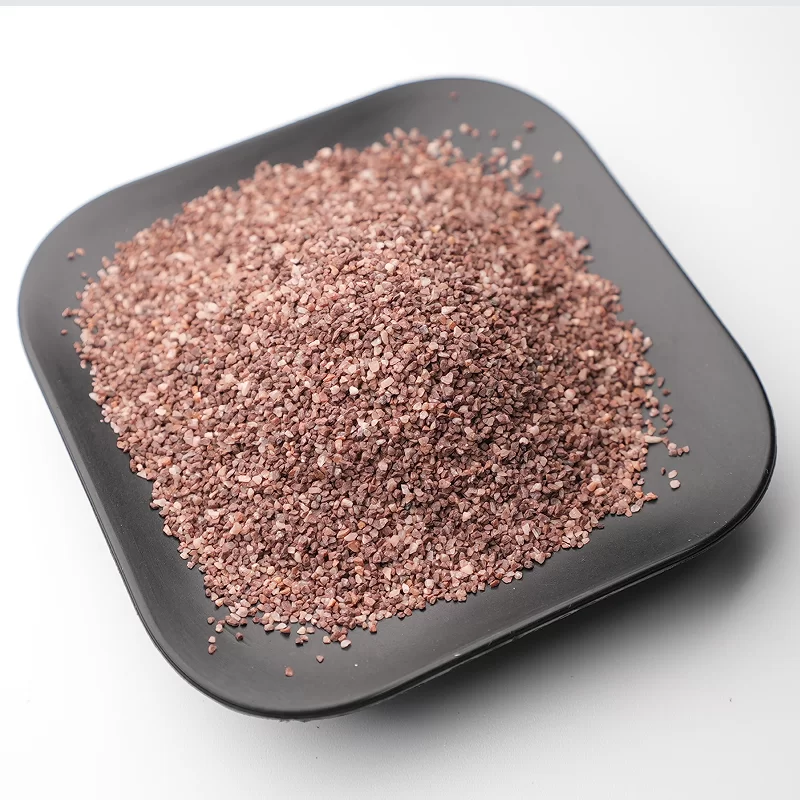
Pink sand beaches are a breathtaking sight, but the material itself has applications beyond aesthetics. From construction and landscaping to specialized filtration, buying pink sand requires understanding its origins, types, and optimal uses. This article will explore everything you need to know, from sourcing reliable suppliers to maximizing the potential of this vibrant natural resource. We'll cover different grades of pink sand, common applications, and factors to consider when making a purchase.
Understanding the Origins of Pink Sand
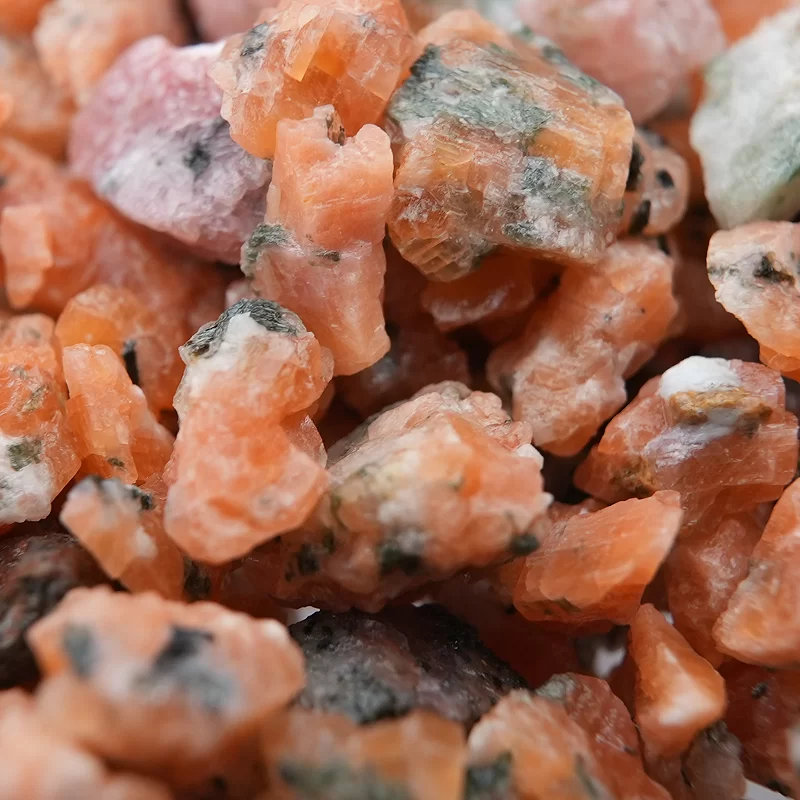
The distinctive pink hue of this sand isn't a result of simple coloring. It primarily comes from tiny pieces of coral, particularly foraminifera, single-celled organisms with bright pink or red shells. These organisms thrive in reef environments, and when they die, their shells break down, mixing with the typical calcium carbonate sand. The intensity of the pink color depends on the amount of foraminifera present and the specific species. Major sources of pink sand include Bermuda, the Bahamas, and parts of the Caribbean. Understanding these origins is crucial when buying pink sand, as it impacts both quality and availability.
Key Takeaway: The pink color originates from the fragmented shells of microscopic marine organisms, primarily foraminifera, found in coral reef ecosystems.
Applications of Pink Sand: Beyond Beaches
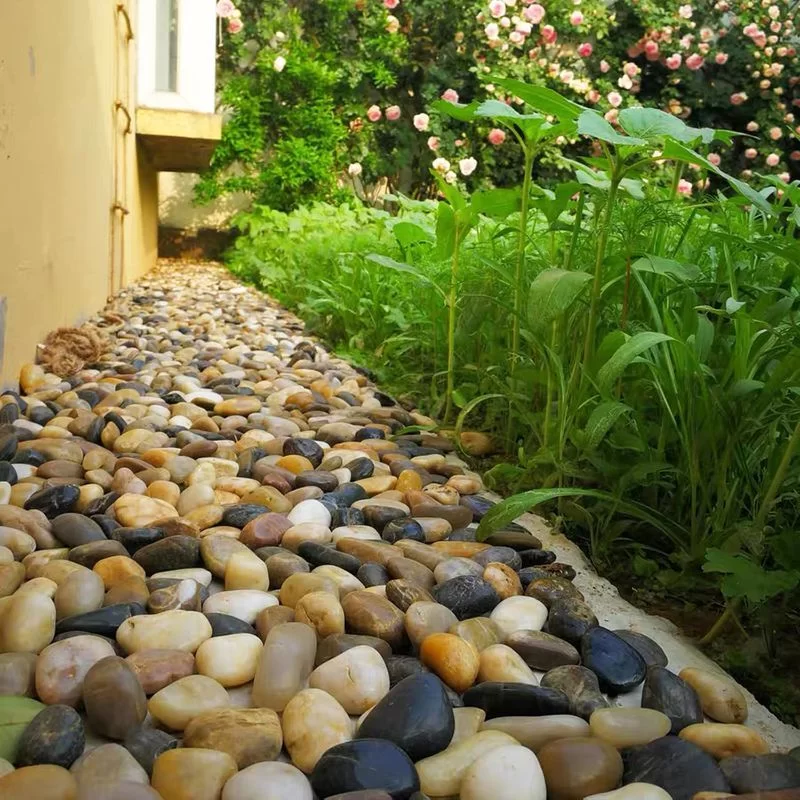
While famously known for picturesque beaches, pink sand has a variety of practical applications. In construction, its unique color offers an aesthetic appeal for decorative concrete, plaster, and landscaping features. It's also used in specialized filtration systems due to its consistent particle size and composition. Furthermore, the calcium carbonate content makes it a valuable component in soil amendments for horticulture. Some smaller-scale uses include crafting materials and decorative elements. The growing demand for eco-friendly building materials is also increasing the interest in utilizing this natural resource. When you buy pink sand, consider its intended purpose to determine the appropriate grade and quantity.
Common Applications:
• Decorative Concrete & Plaster
• Landscaping & Garden Features
• Specialized Filtration Systems
• Soil Amendments for Horticulture
Choosing the Right Grade: What to Look For When You Buy Pink Sand
Pink sand isn't a one-size-fits-all material. Different applications require different grades. Coarse grades are ideal for drainage and landscaping, providing good aeration. Medium grades are suitable for decorative concrete and plaster. Fine grades are used in filtration systems where a consistent particle size is essential. It's also important to check for impurities such as seaweed or larger shell fragments. Reputable suppliers will offer detailed specifications for each grade, including particle size distribution, calcium carbonate content, and moisture levels. Ensuring you buy pink sand that meets your specific requirements is critical for achieving optimal results.
Sourcing Pink Sand: Finding a Reliable Supplier
Choosing a reputable supplier is paramount. Look for companies that can provide documentation verifying the sand's origin and quality. Consider factors like shipping costs, minimum order quantities, and delivery times. Buying pink sand in bulk can often reduce the per-unit cost, but make sure you have adequate storage space. It's also worth checking if the supplier adheres to sustainable harvesting practices to minimize environmental impact. Reading online reviews and requesting samples can help you assess a supplier's reliability and product quality.

Sustainability and Environmental Considerations
The sourcing of pink sand, like any natural resource, carries environmental considerations. Over-extraction from reef ecosystems can damage fragile habitats. It's crucial to choose suppliers committed to sustainable harvesting practices, such as responsible dredging and reef restoration efforts. Consider alternatives or supplemental materials whenever possible to reduce the demand for virgin pink sand. Supporting companies that prioritize environmental stewardship is vital for preserving these unique ecosystems for future generations. By making informed choices when you buy pink sand, you can contribute to a more sustainable future.
Conclusion: Making Informed Decisions When Buying Pink Sand
Whether you’re looking to enhance a landscaping project, create unique architectural features, or utilize its filtration properties, understanding the nuances of pink sand is key. By considering its origins, grades, sustainable sourcing, and partnering with a reputable supplier like CN Floor Materials, you can make informed decisions and achieve exceptional results.
Frequently Asked Questions (FAQs)
What is the typical cost of pink sand?
The cost of pink sand varies significantly depending on the grade, quantity, location, and supplier. Generally, expect to pay more per unit for smaller quantities and higher grades (finer sand). Shipping costs also contribute significantly to the overall expense. Prices can range from $50 to $300+ per cubic yard, excluding shipping. It’s best to request quotes from multiple suppliers to compare pricing and find the most competitive option. Contacting CN Floor Materials can provide a tailored quote based on your specific needs.
How do I store pink sand to prevent clumping or discoloration?
To prevent clumping and discoloration, store pink sand in a dry, well-ventilated area, protected from direct sunlight and moisture. A sealed container or covered pile is recommended. Avoid storing it directly on the ground, as this can lead to moisture absorption. If storing large quantities outdoors, consider using a waterproof tarp. Regularly inspect the stored sand for any signs of clumping or discoloration and break up any clumps as needed. Proper storage ensures the sand remains usable for your intended application.
Is pink sand suitable for use in swimming pools?
While aesthetically appealing, pink sand is generally not recommended for use in swimming pools. Its particle size and composition aren't ideal for filtration systems, and it can cloud the water. Moreover, the organic content from the foraminifera shells can promote algae growth. Specialized pool filter sand, which is specifically engineered for this purpose, is a far more effective and hygienic option. Using the wrong type of sand can damage your pool equipment and compromise water quality.
What certifications should I look for when purchasing pink sand?
Look for suppliers who can provide documentation regarding the sand’s composition and origin. While there isn't a specific "pink sand certification," certifications related to quality control and environmental responsibility are valuable. ISO 9001 certification demonstrates a commitment to quality management, while certifications related to sustainable harvesting practices indicate a supplier’s dedication to environmental protection. Ask the supplier for a Material Safety Data Sheet (MSDS) to ensure the sand meets safety standards for your intended application.