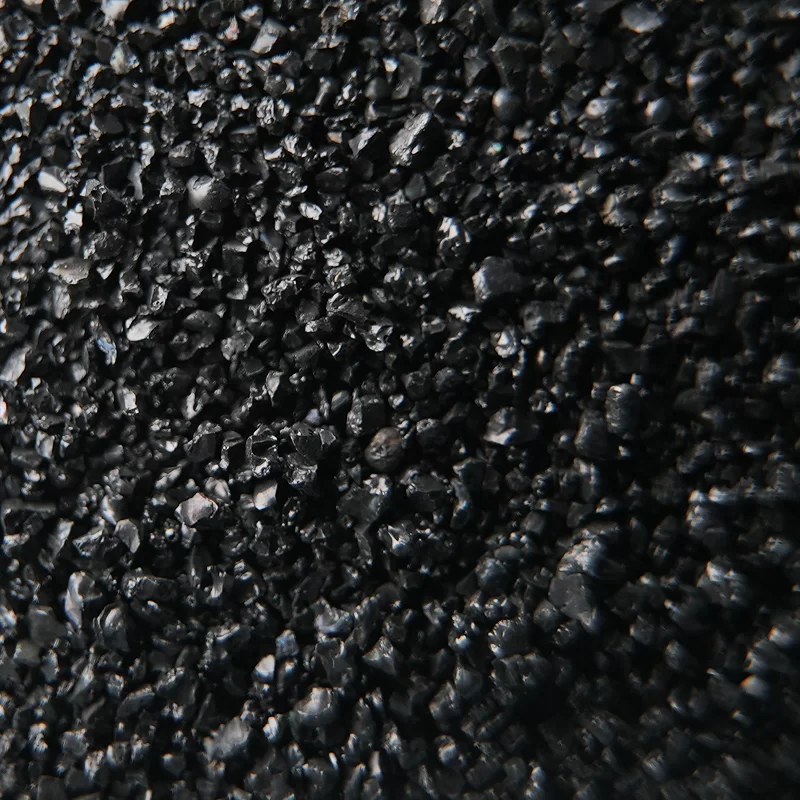
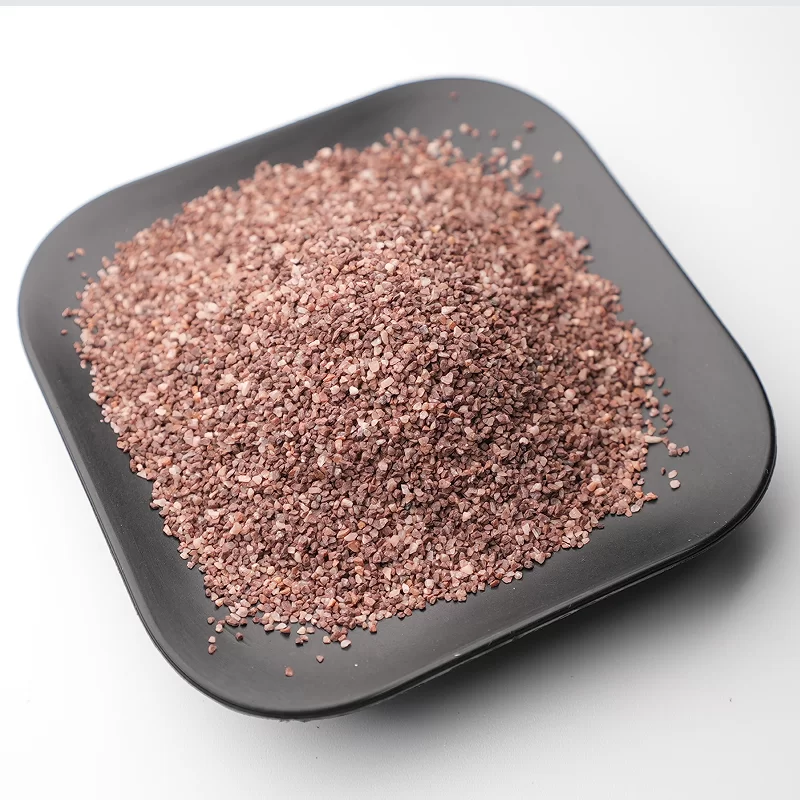
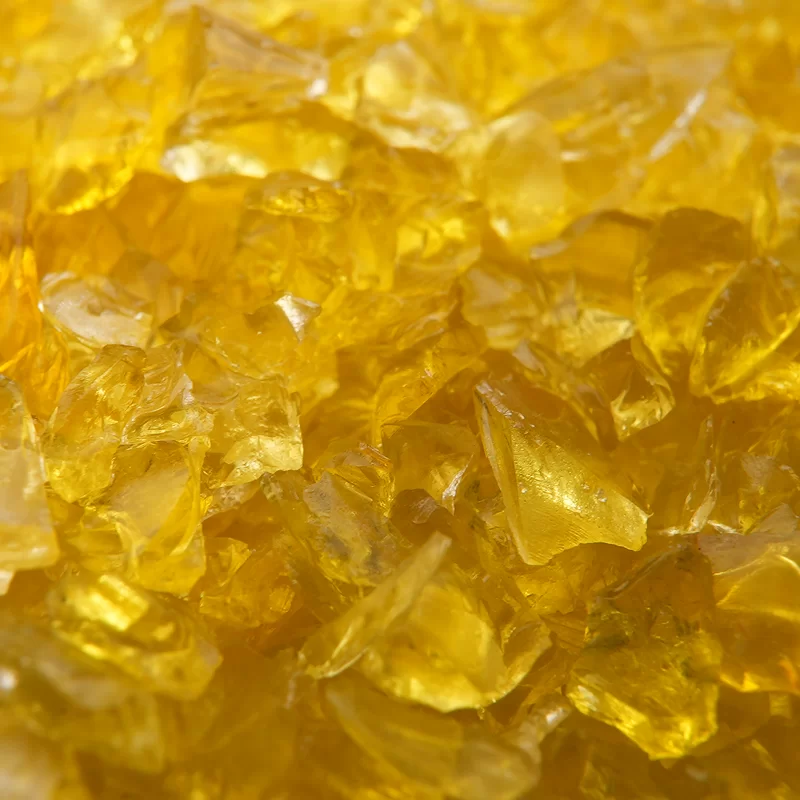
High purity quartz sand is a critical industrial material gaining increasing global significance. Its exceptional chemical inertness, thermal stability, and electrical properties make it indispensable in a wide range of applications, from semiconductor manufacturing to advanced glass production. Understanding its characteristics and sourcing is crucial for maintaining supply chain resilience and fostering innovation across multiple sectors.
The demand for high purity quartz sand is directly linked to technological advancements and economic growth. As industries like solar energy, telecommunications, and healthcare expand, the need for this specialized material will only intensify. Recognizing the potential supply vulnerabilities and environmental considerations associated with its extraction and processing is vital for sustainable development.
This specialized sand offers a superior substrate compared to conventional silica, enabling breakthroughs in various technological fields. Its properties allow for the creation of more efficient, durable, and reliable products, ultimately contributing to economic progress and improved quality of life. Investing in the research and development of advanced processing techniques for high purity quartz sand is therefore a strategic imperative.

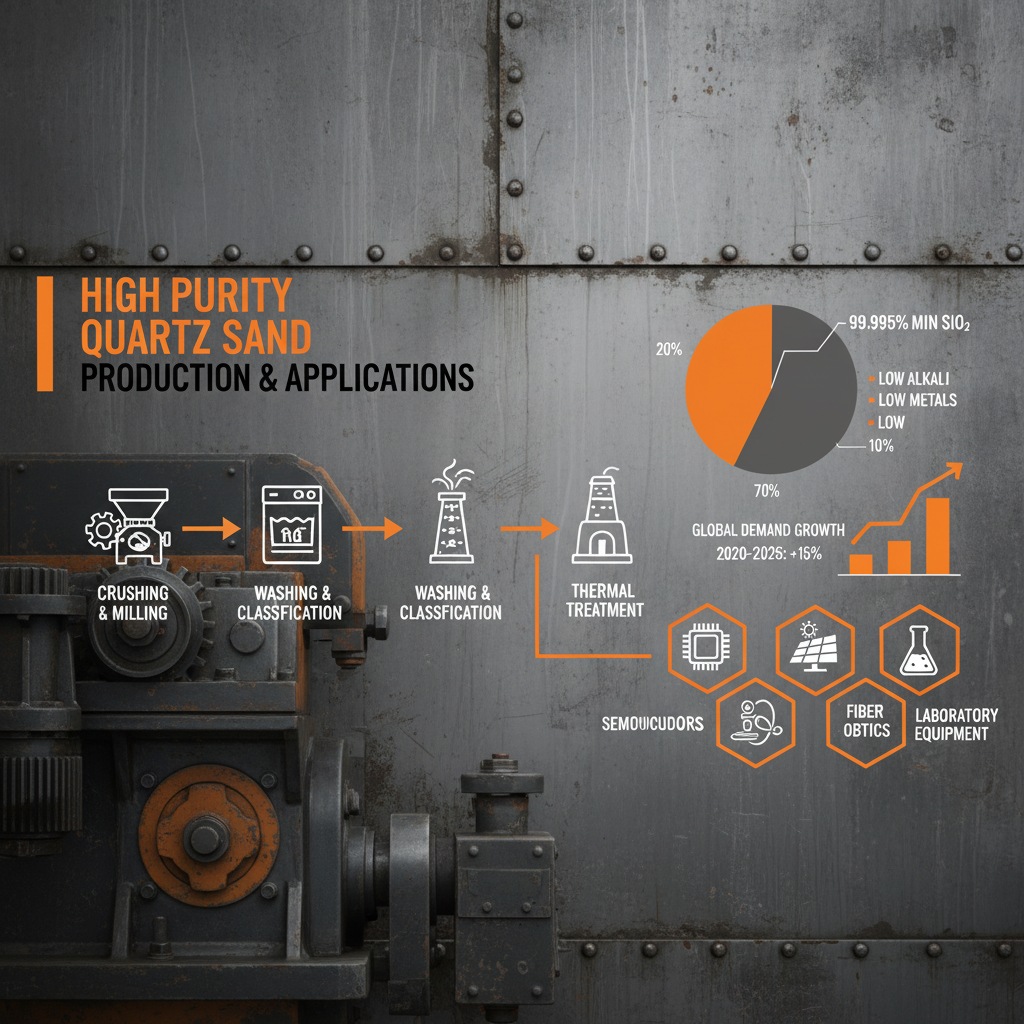
High purity quartz sand isn’t merely a commodity; it’s a foundational component for many advanced technologies. The increasing demand across various industries highlights its growing strategic importance. Securing a reliable and sustainable supply of this material is crucial for supporting innovation and maintaining a competitive edge in the global market.
The unique properties of this refined silica distinguish it from traditional sand, enabling a level of precision and performance unattainable with lesser materials. This precision directly translates to improvements in product quality, efficiency, and reliability, making it a preferred choice for manufacturers in demanding sectors like electronics and optics.
The primary difference lies in the impurity levels. Standard industrial sand contains significant amounts of iron, alumina, and other contaminants. High purity quartz sand, through rigorous processing, achieves SiO2 concentrations exceeding 99.99%, resulting in superior thermal stability, chemical inertness, and electrical properties essential for advanced applications. This makes it far more suitable for sensitive processes like semiconductor fabrication.
Purity levels are typically measured using X-ray fluorescence (XRF) spectroscopy. This technique accurately determines the elemental composition of the sand, quantifying the percentage of SiO2 and identifying the presence and concentration of any remaining impurities. Inductively Coupled Plasma Mass Spectrometry (ICP-MS) is also used for trace element analysis, ensuring the sand meets stringent quality standards.
Key considerations include the supplier’s quality control procedures, consistency of supply, particle size distribution, and ability to meet specific purity requirements. Traceability of the sand’s origin and certification confirming adherence to industry standards (like ISO certifications) are also crucial. Furthermore, assessing their commitment to sustainable sourcing and ethical practices is increasingly important.
Particle size distribution significantly impacts flowability, packing density, and surface area. Specific applications demand precise particle size ranges; for instance, semiconductor manufacturing requires extremely fine and uniform particles. Incorrect particle size can lead to inconsistencies in manufacturing processes, reduced product performance, and increased waste. Precise control over particle size is therefore vital.
Extraction can disrupt local ecosystems and generate dust pollution. Processing often requires significant energy consumption and can produce wastewater containing chemical contaminants. Sustainable practices, such as responsible mining techniques, water recycling, and the adoption of energy-efficient processing methods, are essential for minimizing environmental impact. Furthermore, exploring alternative sources, like recycled silica, is gaining traction.
The high purity quartz sand market is projected to experience significant growth, estimated at a compound annual growth rate (CAGR) of 6-8% over the next five to ten years. This growth is driven by expanding demand from the semiconductor, solar energy, and specialty glass industries. Increasing investments in renewable energy infrastructure and the ongoing miniaturization of electronic devices are key factors fueling this expansion.
High purity quartz sand stands as a foundational material for numerous critical industries, powering advancements in technology, renewable energy, and materials science. Its unique properties – exceptional purity, thermal stability, and chemical inertness – distinguish it from conventional sand and enable groundbreaking innovations. Understanding its characteristics, applications, and future trends is vital for fostering sustainable growth and maintaining a competitive edge in the global market.
Looking ahead, continued investment in sustainable sourcing, advanced processing technologies, and material innovation will be crucial. By embracing these advancements, we can ensure a reliable and responsible supply of high purity quartz sand, supporting the development of a more sustainable and technologically advanced future. Visit our website today to learn more.



If you are interested in our products, you can choose to leave your information here, and we will be in touch with you shortly.