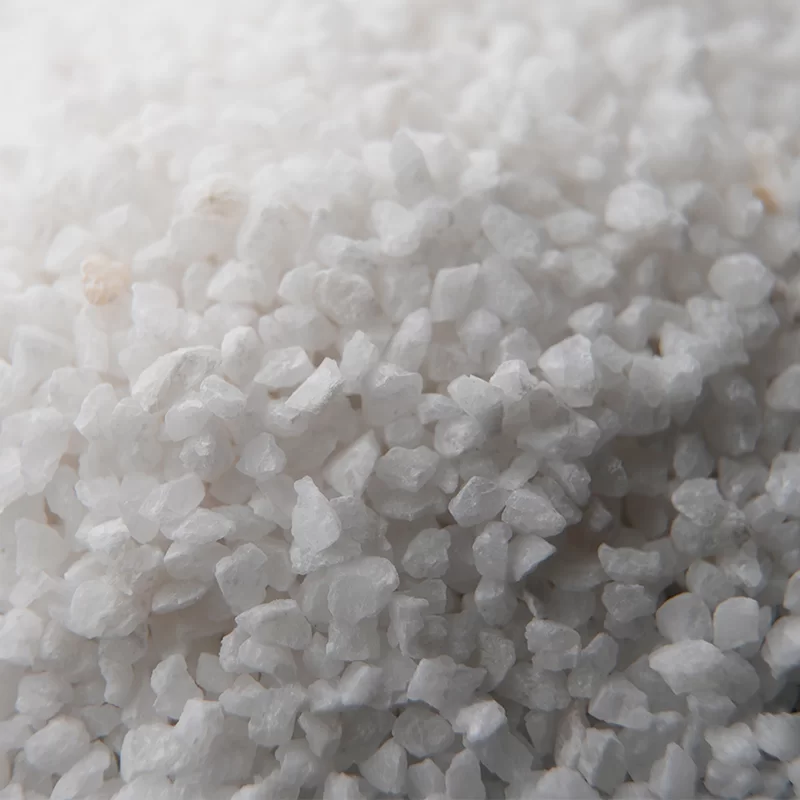
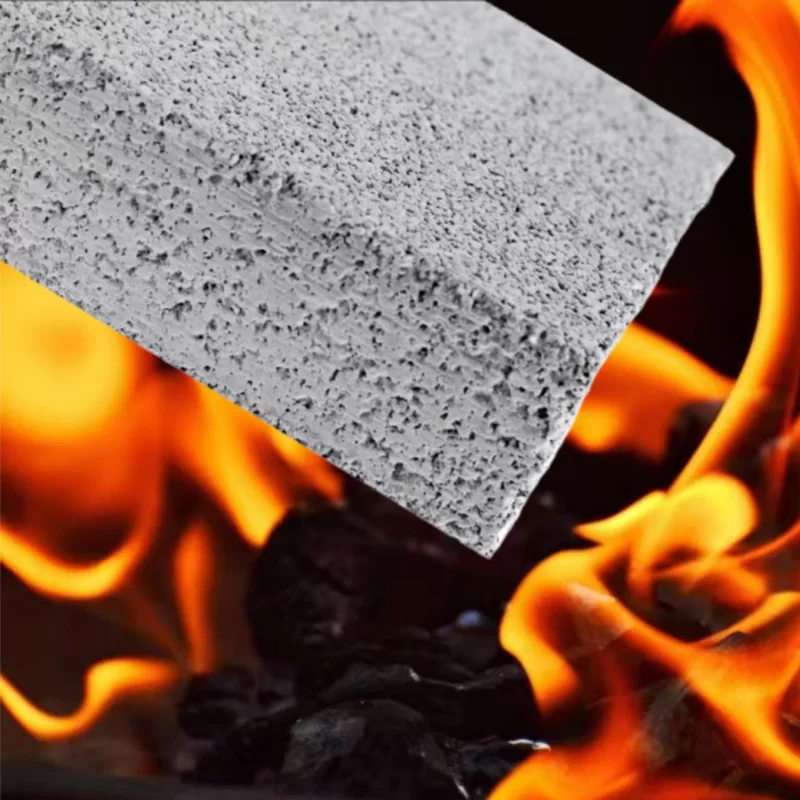
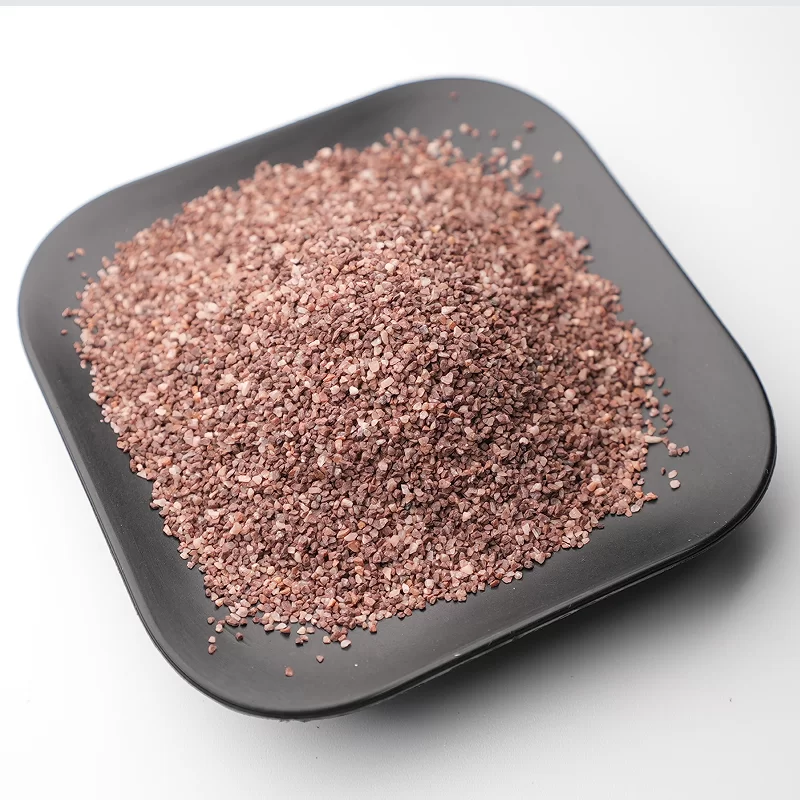
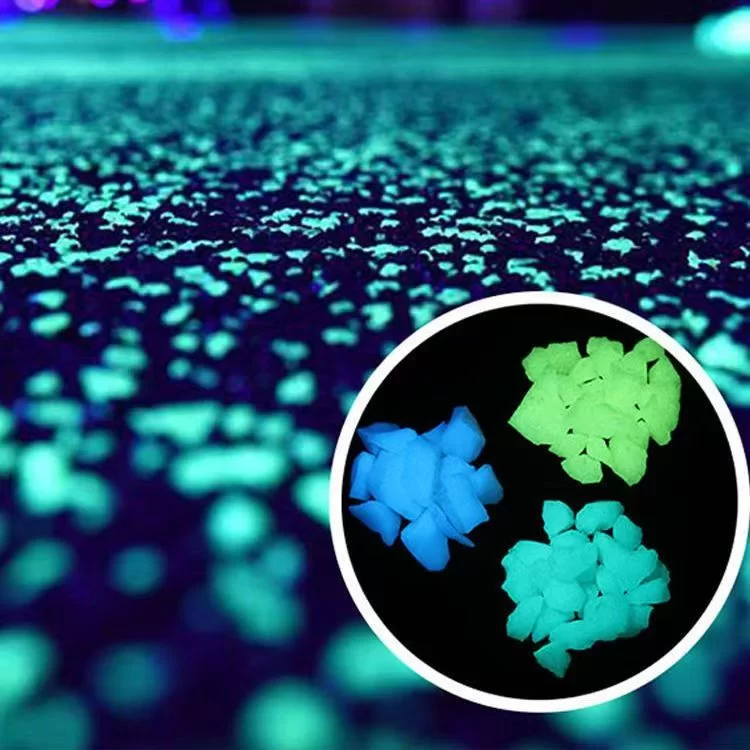
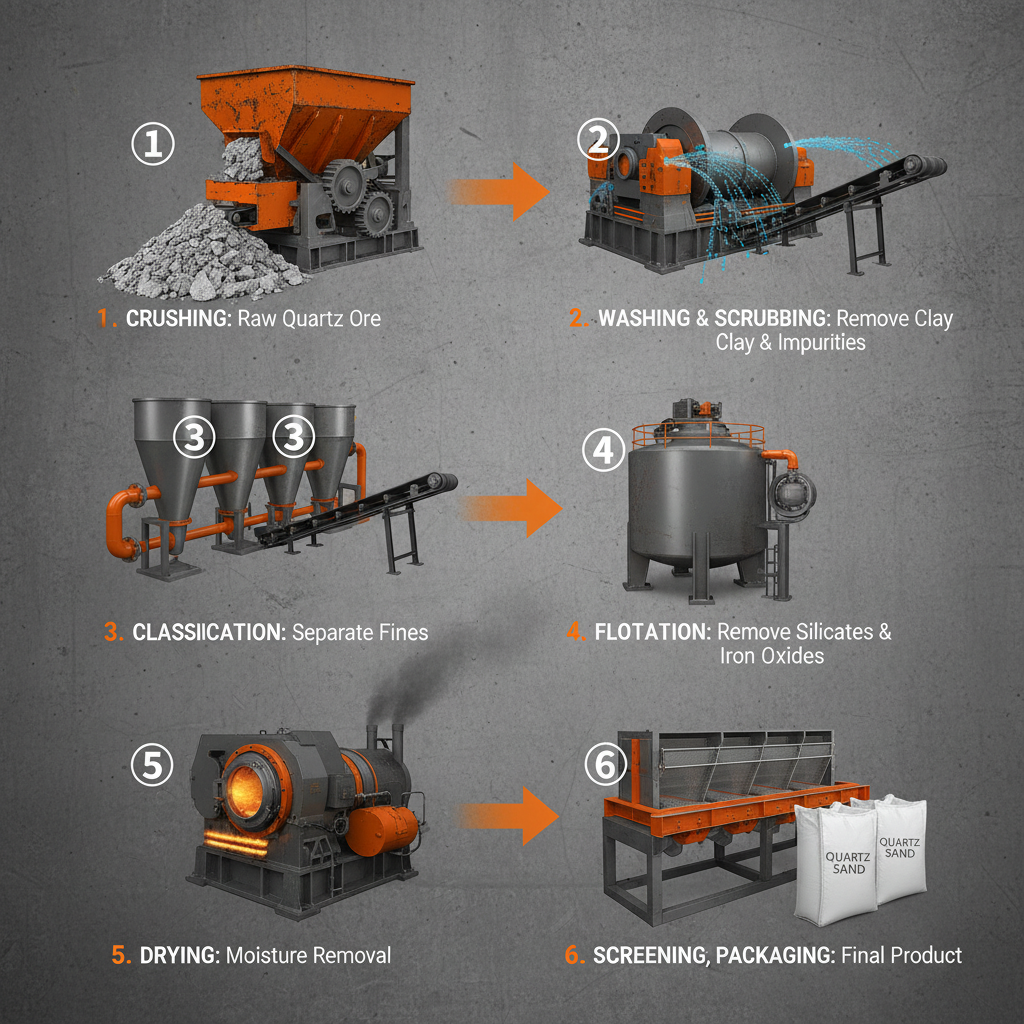
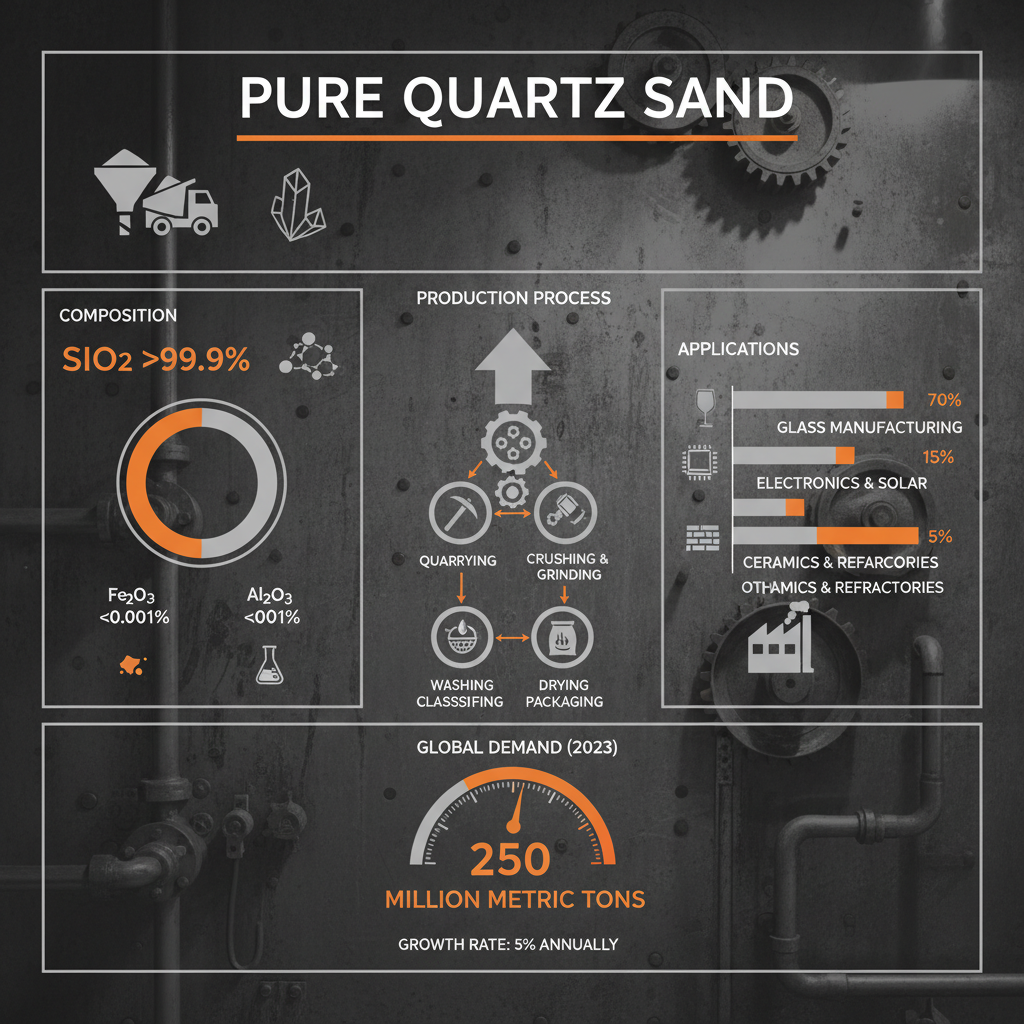
Pure quartz sand, a naturally occurring granular material consisting of silicon dioxide (SiO2), is a cornerstone of numerous industries and applications globally. Its unique properties – chemical inertness, thermal stability, and electrical insulation – make it an indispensable resource in glass manufacturing, construction, and increasingly, advanced technologies. Understanding its sourcing, processing, and diverse uses is crucial for sustainable development and innovation.
The global demand for pure quartz sand is steadily increasing, driven by population growth, urbanization, and technological advancements. Regions with significant industrial activity, such as Asia-Pacific, North America, and Europe, are major consumers. However, the availability of high-quality deposits is limited, raising concerns about resource depletion and the environmental impact of extraction. This necessitates efficient sourcing, responsible mining practices, and exploration of alternative materials.
The rising importance of renewable energy technologies, particularly solar panel production, further amplifies the need for pure quartz sand. As the world transitions towards cleaner energy sources, the demand for this essential component will continue to grow, impacting supply chains and geopolitical landscapes. Effectively managing this demand requires a comprehensive understanding of the industry, its challenges, and its potential for innovation.
Pure quartz sand’s crystalline structure provides exceptional durability, allowing it to withstand harsh environmental conditions and prolonged use. This makes it ideal for applications requiring long-term stability, such as concrete production and abrasive blasting. Its resistance to chemical attack further extends its lifespan and applicability in diverse settings.
Beyond its physical properties, pure quartz sand’s abundance and relative affordability contribute to its widespread adoption. While quality variations exist, consistent sourcing and processing techniques ensure reliable performance across various industries. The availability of pure quartz sand plays a critical role in maintaining production efficiency and driving down costs in numerous sectors.
Pure quartz sand is primarily used in glass manufacturing, but also finds significant applications in the foundry industry (making molds for metal casting), as a filtration medium for water purification, in construction materials like concrete, and increasingly, in the production of solar panels due to its high silica content. Its chemical inertness and durability make it versatile across multiple sectors.
The purity of quartz sand is typically measured by determining the percentage of silicon dioxide (SiO2) content. High-quality pure quartz sand generally contains at least 95% SiO2. Other impurities, such as iron oxide and aluminum oxide, are also quantified to assess its suitability for specific applications. Analytical techniques like X-ray diffraction (XRD) and loss on ignition (LOI) are commonly employed.
Quartz sand mining can lead to habitat destruction, soil erosion, and water contamination. The extraction process often involves the removal of vegetation and topsoil, disrupting local ecosystems. Proper land reclamation practices, water management strategies, and adherence to environmental regulations are crucial to mitigate these impacts. Sustainable sourcing and exploration of alternative materials are also important considerations.
Grain size is a critical factor influencing the usability of pure quartz sand. Different applications require specific grain size distributions. For example, glass manufacturing demands uniformly sized particles for optimal melting and clarity. Foundry sand needs a specific size to allow gas permeability. Controlled sieving and processing are used to achieve the desired grain size for each application.
While pure quartz sand is currently indispensable in many industries, researchers are exploring alternatives. These include using recycled glass cullet as a partial substitute in glassmaking, developing synthetic silica materials, and investigating the use of other mineral sources with similar properties. However, these alternatives often come with their own challenges, such as cost or performance limitations.
Pure quartz sand is a key component in the production of solar panels, particularly in the manufacturing of silicon wafers. These wafers are the building blocks of photovoltaic cells, which convert sunlight into electricity. The high purity of the silica sand is essential for achieving the desired efficiency and performance of solar panels. Increasing demand for renewable energy is driving significant growth in this application.
In conclusion, pure quartz sand remains a vital material underpinning numerous industries and technological advancements. Its unique properties – durability, chemical inertness, and thermal stability – combined with its relative abundance, make it an indispensable resource. From glass manufacturing and construction to renewable energy and advanced electronics, its applications are diverse and far-reaching.
Looking ahead, sustainable sourcing, responsible mining practices, and continued innovation in processing technologies are crucial for ensuring the long-term availability and responsible use of this valuable resource. The ongoing development of alternative materials and efficient recycling methods will further contribute to mitigating environmental impacts and securing a sustainable future for industries reliant on pure quartz sand. For more information and to explore our range of pure quartz sand products, visit our website today.





If you are interested in our products, you can choose to leave your information here, and we will be in touch with you shortly.